Ways to Protect Your Fine Art and Antiques When Moving
A collector watches as a mover studies a painting that has hung in the same room for decades. The concern usually is not a dropped box. Humidity, vibration, pressure, poor packing materials, and inadequate valuation can quietly damage artwork and heirlooms long before they reach their new home.
Moving fine art and antiques requires thoughtful planning, specialized handling, and a moving team that understands how different materials respond throughout the journey.
In This Article: How the pros protect fine art and antiques from packing through delivery.
- How professionals pack and crate fine art
- Protecting antiques means protecting wood, finish, and joints
- Transit risks people often overlook
- The valuation step most people miss
- Questions worth asking before hiring a mover
- A pre-move checklist for fine art and antiques
How Professionals Pack and Crate Fine Art
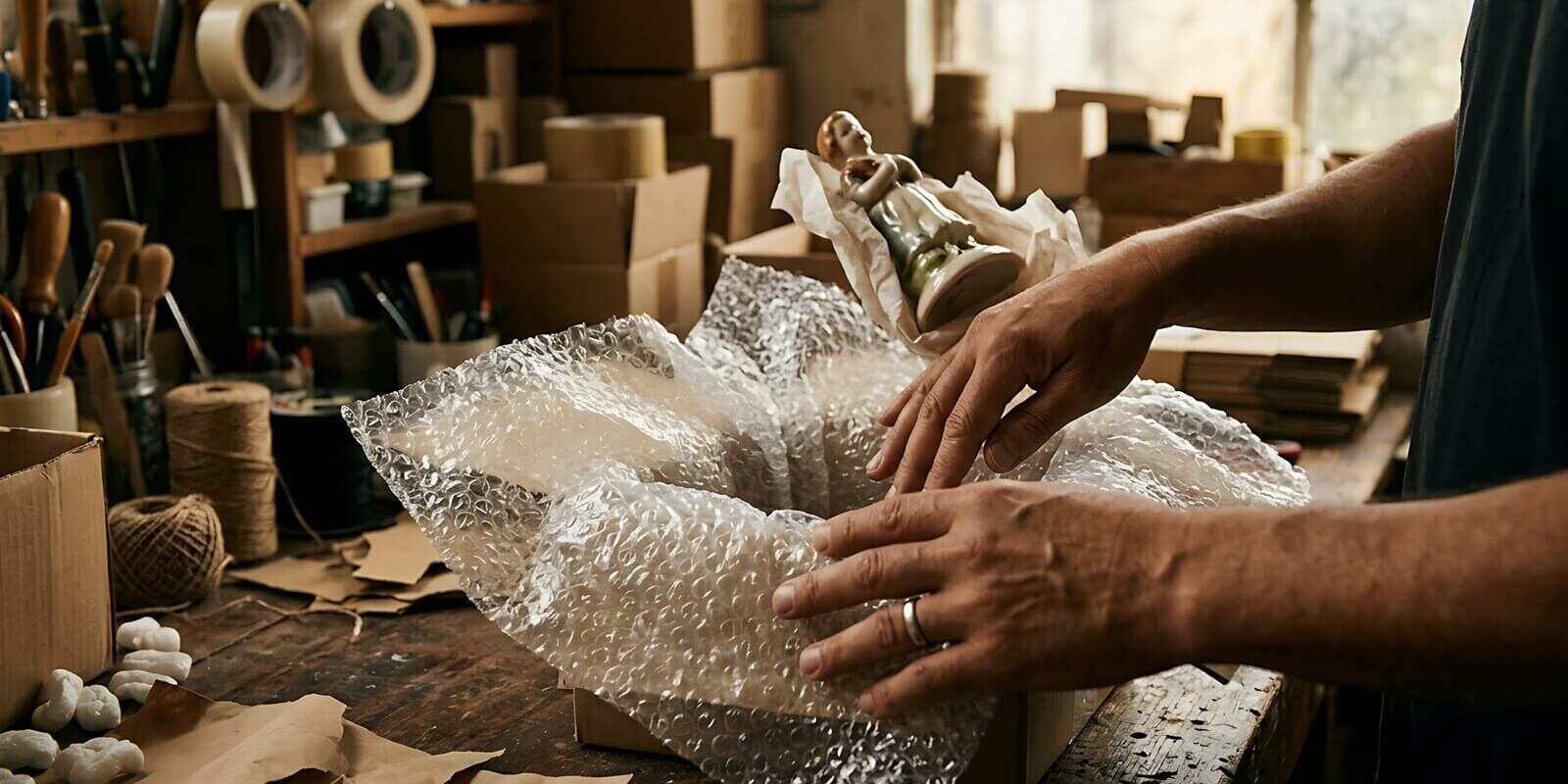
 Every piece of art needs its own packing plan. Age, materials, frame construction, existing repairs, and the length of the trip all shape how it should travel, which is why experienced fine art movers assess each item before choosing crates, padding, or transport methods.
Custom-built crates provide stability and limit movement in transit. Paintings usually travel upright in travel frames or fitted crates, which distributes the weight properly across the structure.
Soft, acid-free materials or glassine paper typically separate the protective layer from the painted surface, which reduces abrasion during handling.
Artwork behind glass receives additional attention. Protective facing systems and rigid supports help reduce the chance of broken glass shifting across the artwork if an impact occurs.
Large mirrors, sculptures, and oversized pieces often require dedicated lifting equipment and purpose-built crates because ordinary moving boxes are not designed for those loads.
Museum packing standards call for immobilizing artwork inside the crate so that vibration from the road transfers as little movement as possible to the object itself. Small movements repeated over hundreds of miles can gradually loosen hardware, weaken frames, or stress delicate paint layers.
Protecting Antiques Means Protecting Wood, Finish, and Joints
Moving antiques safely starts with knowing how aged wood, delicate finishes, brittle joints, and older hardware react to packing and transport.
Even small changes in humidity can cause wood to expand or contract, which is why older pieces need to be handled and packed with the environment in mind. Veneer, antique adhesives, shellac, lacquer, and decorative finishes can react differently from modern furniture materials. Plastic shrink wrap pulled tightly against a delicate finish may trap moisture or leave impressions if applied improperly.
Experienced movers inspect each piece before lifting it. Loose legs, cracked joints, detached veneer, marble tops, glass shelves, and decorative trim all influence the packing plan. Components designed for removal, such as shelves, mirrors, finials, or marble surfaces, are packed separately to reduce stress during transport.
Padding protects the furniture and lets finishes breathe during the move. Careful handling protects structural joints that may already be decades or centuries old.
The Transit Risks People Often Overlook
Many people focus on loading day while overlooking what happens during the drive.
Temperature swings and changing humidity can affect canvas, wood, veneer, leather, and paper. Long-distance relocations, estate moves, and phased projects may involve temporary storage, which can create additional environmental exposure if conditions are not controlled.
 Climate-controlled transportation and managed storage help reduce those risks for sensitive collections. Vibration deserves equal attention. Every mile creates small movements that gradually stress fragile surfaces and aging construction.
Smithsonian guidance on transporting paintings treats crate design as an engineering process. Proper cushioning absorbs road vibration and limits movement inside the crate.
The Valuation Step Many People Miss
One of the biggest misunderstandings involves art, valuation, and insurance. Standard mover valuation is not the same as an insurance policy. Basic interstate coverage is generally calculated by weight rather than an item’s actual market value.
An antique or original painting could have very limited protection unless higher valuation options or separate insurance coverage are arranged.
Current appraisals, detailed inventories, and clear photographs help document condition before the move begins. Owners of significant collections should discuss specialized fine-art insurance coverage with their insurer before moving artwork across state lines.
Quick Fact: Under federal rules for interstate household moves, Released Value Protection provides liability of only 60 cents per pound per article, which is why valuation and insurance options need to be discussed before transporting high-value artwork or antiques.
Questions Worth Asking Before Hiring a Mover
Every moving company handles specialty items differently. A walkthrough is the place to discuss each piece before packing begins.
Take the time to ask questions such as:
- Do you provide in-house custom crating for fine art?
- How do you pack paintings for moving?
- Have you handled artwork or antiques similar to mine?
- How will large mirrors, chandeliers, or sculptures travel?
- What valuation options are available for high-value items?
- Do you offer climate-controlled transport or managed storage when needed?
- Are you registered with the U.S. Department of Transportation for interstate moves?
Direct answers make it easier to see how the move will be organized, scheduled, and handled from start to finish.
A Pre-Move Checklist for Fine Art and Antiques
Preparation ahead of move day gives each piece a better chance of being packed, carried, and loaded safely.
|
Before Move Day |
Why It Helps |
| Photograph each item from multiple angles |
Documents existing condition |
|
Update appraisals |
Supports valuation discussions |
| Confirm valuation and insurance coverage |
Clarifies available protection |
|
Discuss packing plans for each specialty item |
Confirms appropriate handling methods |
| Measure access points at both properties |
Helps avoid handling issues on moving day |
When planning starts early, every piece can be identified and handled with the level of care it needs.
For Pieces That Cannot Be Replaced
 Olympia Moving’s specialty moving team evaluates each collection during a walkthrough, identifies pieces requiring specialty handling, and coordinates packing, crating, and transportation through a single, organized plan.
Move360 covers full-service residential and commercial moves, including specialty handling for personal collections. Scope360 handles project-based commercial art relocations, gallery installations, and corporate collection moves that need additional planning layers.
Contact Olympia Moving for an estimate and discuss the safest approach for your collection.
You may also be interested in
-
 Carlos Stanza • 08 Oct 2026
How Much Should You Tip Movers?
Wondering how much to tip movers? See fair tipping ranges, when a tip makes sense, and how to split it between crews on a long-distance move.