
A Full-Service Moving Company vs. a DIY Move
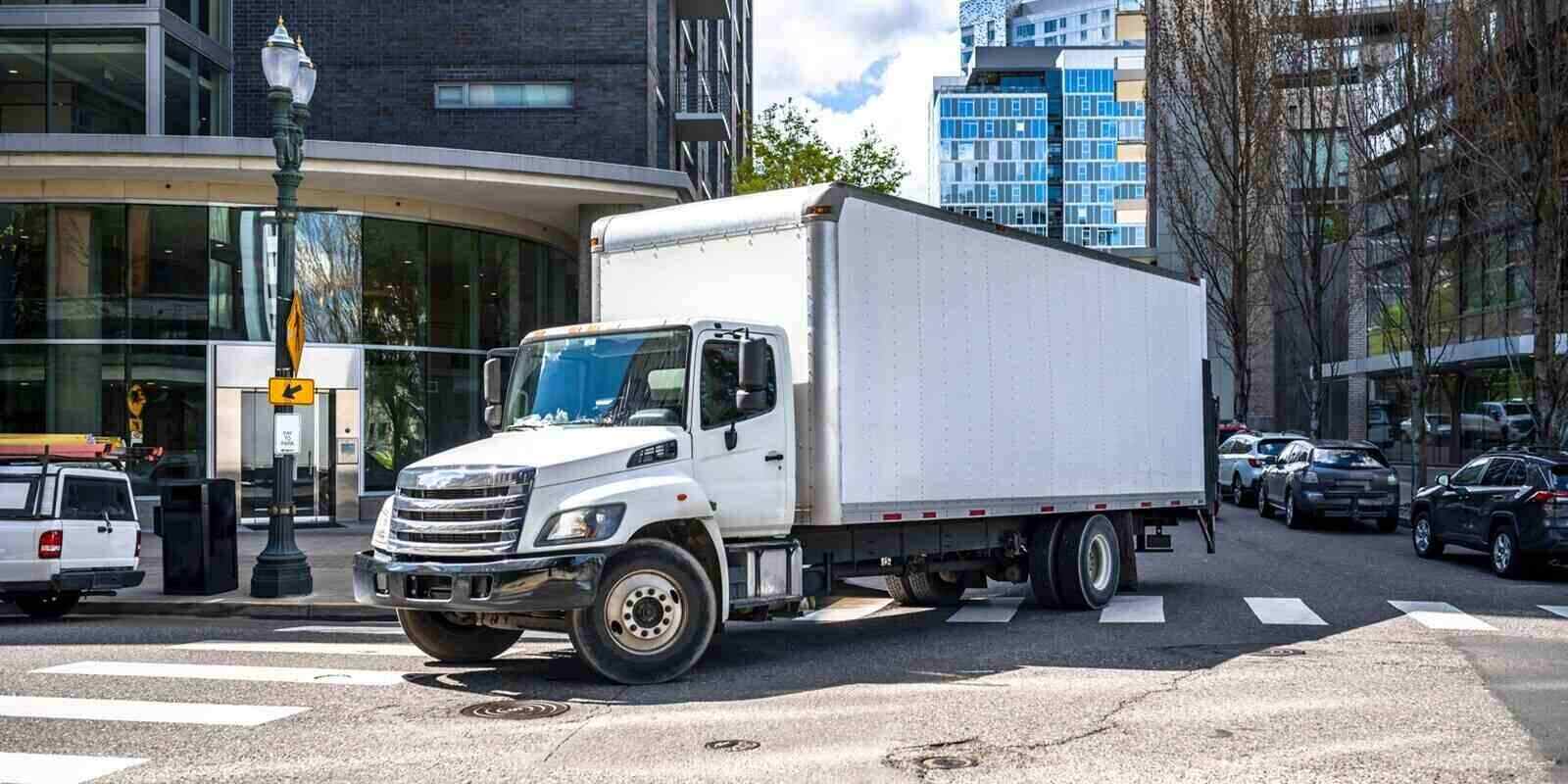
If you look at the day rate for renting a moving van, you might see a price as low as $19.95. But what you’ll actually pay is likely much more. The average cost for a move under 50 miles is between $175 and $590, depending on van size and before adding gas or insurance. Longer moves cost even more, and the advertised rate and the actual total usually don’t line up.
Other considerations when moving yourself vs. hiring movers include whether you can finish on time, without damaging anything or getting injured.
The One Version of This Move Where DIY Wins
If you’re moving a studio or small one-bedroom apartment with no large furniture, relocating within about 10 miles, have no stairs beyond the first floor, and have helpers committed to showing up, moving yourself may be less expensive than hiring a moving company.
A 10-foot truck, a Saturday morning, and enough pizza to keep goodwill intact will cost a few hundred dollars, and you can finish by early afternoon.
That assumes you and your helpers are healthy, willing to accept the physical risk that comes with heavy lifting and moving, and have a high tolerance for the possibility of damaged items or walls.
Moving a larger home, a home that’s harder to get to because of stairs or long walkways, or moving farther than about 10 miles typically makes hiring a moving company the more affordable option.
What a DIY Move Costs Once the Advertised Rate Wears Off
The cost of moving yourself goes well beyond the truck rental. Once you add mileage, insurance, equipment, fuel, and the possibility of a second trip, the real price of a DIY move can approach a professional mover’s quote faster than most people expect.
The Truck
According to Move.org, local moves near 50 miles run $175 to $590, depending on the size of the van rental. Around 450 miles, the cost ranges from $499 to $1,111, and a long haul near 1,750 miles costs between $1,478 and $2,979.
Per-mile rates start low and climb quickly. Budget charges from $0.47 per mile, U-Haul from $0.99, and Penske from $1.29, with local moves often working out nearer $6 a mile once the total mileage plus base rate is counted.
The Lines That Don’t Show Up in the Estimate
Rental insurance averages over $100 for moving vans. Fuel costs can also add up quickly on trucks that get single-digit miles per gallon. Other costs include furniture pads, a dolly, boxes, tape, mattress bags, and taxes. If you’ll also be pulling a car, add a tow dolly or auto transport trailer.
Having to take a second trip makes a DIY move much more expensive, turning a Saturday into a full weekend and doubling the mileage charge. A two-bedroom household almost always needs more than one load in a 10- or 12-foot truck, and larger trucks carry higher per-mile charges.
What a Full-Service Crew Is Actually Selling
The price difference between a professional moving company and a rental truck is not just labor. It buys efficiency, equipment, and the documentation that buildings and insurance require, much of which people don’t realize they need until move day.
Hours Instead of a Weekend, and Equipment You Cannot Rent
A trained crew can load a two-bedroom home in a fraction of the time two friends will, because they do it daily and because disassembling and reassembling beds, tables, and mounted televisions is a practiced routine rather than a discovery process.
A professional crew will also have four-wheel dollies, ramps, commercial-grade straps, shrink wrap, door and floor protection, and custom crating for the pieces that need it. Some of that equipment isn’t available at the rental counter, and the rest isn’t particularly useful without someone who’s spent years learning the technique. Full-service moving covers this end to end, from disassembly at the origin to reassembly and placement at the destination.
The Paperwork That Gets You Through the Front Door
Some buildings won’t admit an uninsured private mover at all, which removes DIY as an option entirely. Some apartment buildings and HOAs require a certificate of insurance that adds the building as an additional insured before anyone moves in or out.
A private individual with a rented truck can’t create a certificate of insurance. A licensed carrier issues them routinely. They also handle scheduling needs such as coordinating freight elevators and reserving loading docks.
Working with a professional moving company will also get you a confirmed date, an inventory of what went on the truck, and a bill of lading.
The Cost That Never Makes It Into the Spreadsheet
A professional crew is covered by their employer’s workers’ compensation insurance. A friend carrying your sleeper sofa down two flights of stairs is not. Homeowners and renters policies typically carry medical payments coverage of $1,000 to $5,000 per person, paid regardless of fault, with personal liability sitting at higher limits but only where fault is established.
Review your declarations page before assuming your renters or homeowners insurance covers a friend who gets hurt while helping you move. The point is not that something will go wrong. It is that moving heavy items carries a risk that a professional is covered for, and most people never price it.
Six Thresholds That End the Debate
If your move involves any two of these six thresholds, the savings you might gain from a DIY move likely disappear:
- A second flight of stairs
- A second trip with the truck
- One item too heavy to safely carry
- A distance past roughly 400 miles
- A building that requires a certificate of insurance
- A helper who might cancel on short notice
That last one is the most common and the least plannable. The friends who agreed in March are the single most frequent point of failure in August.
Your Move, Your Math
Before booking a rental van and planning to move yourself, review those six thresholds and ask how many your move includes. Two yeses mean the question is no longer whether to hire, it is what to hire for.
Olympia Moving offers full residential relocations through Move360™, which covers packing, transport, and setup from door to door. For larger commercial projects that require phased logistics and coordination across multiple sites, Scope360™ handles the project management side.
If your move lands somewhere in between, ask to price a partial move. Hiring a crew for the load, the heavy pieces, or just packing is common and lets you handle the rest yourself. Contact Olympia today to get an estimate.
You may also be interested in
-
 Carlos Stanza • 15 Oct 2026
Survival Guide for New Parents Moving With a Baby or Toddler
Moving with a little one? Get real tips for move day childcare, packing a baby essentials box, and keeping your toddler's routine steady. - Carlos Stanza • 12 Oct 2026
How To Vet a Moving Company in Austin Before You Book
Austin movers need a TxDMV license, not just a USDOT number. Here is how to verify one, read the estimate, and spot the terms that cost you later. - Carlos Stanza • 08 Oct 2026
How Much Should You Tip Movers?
Wondering how much to tip movers? See fair tipping ranges, when a tip makes sense, and how to split it between crews on a long-distance move.