
Weights and Relationships
Accurate weight and volume calculations are the foundation of estimating jobs, assigning trucks, and pricing correctly. Mistakes in this area lead to underquoting, scheduling errors, overloaded trucks, and ultimately financial losses. This page will cover the capacity and operating standards, which guide how we plan our projects.
Cube-to-Weight Ratios:
When measuring capacity in the moving industry, our most frequent measures are weight, and cubic feet (also referred to as cubes).
To solve for cubic feet, we use the equation:
Cubic feet = (Length (in) x Width (in) x Height (in))/1728
We must divide by 1728 to find cubic feet. If you do not divide by 1728 you will have the equation for cubic inches.
Cube to Weight (Imperial):
| 1 Cubic Foot | ~7 Lbs household goods |
| 1 lb | 1/7th (.143) Cubic Foot |
| 7 lbs | 1 Cubic Foot |
| Cubic Feet | (Lbs) / 7 |
| Lbs | (Cubic Feet) x 7 |
Cube to Weight (Metric):
| 1 Cubic Meter | 10.417 kgs |
| 1 kg | 1/7th (.143) Cubic Meter |
| 7 kgs | 1 Cubic Meter |
| Cubic Meters | (kgs) / 7 |
| Kgs | (Cubic Meters) x 7 |
Why it matters: Sales uses this ratio to build estimates. Operations uses it to allocate trucks. Movers rely on it to pack efficiently without overloading.
Weight/Cubes in a Truck
| Equipment | Weight lbs/kgs | Cubic ft/m |
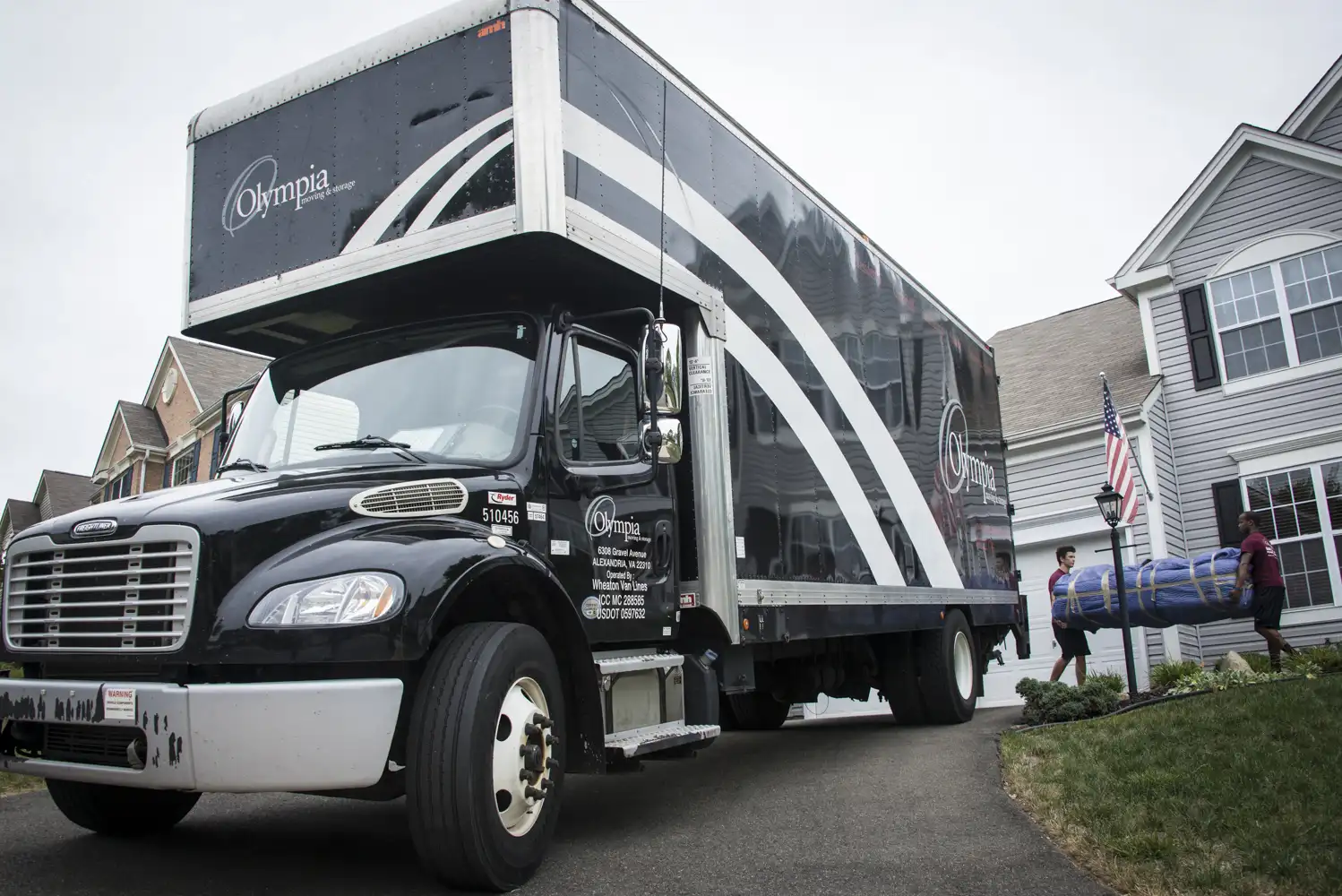
| Straight Truck | 7,000 lb / 3175.147kg | 1000 ft^3 / 28.317 m^3 |
1 Straight truck = ~7,000 lbs capacity
Any move over 7,500 lbs requires at least 2 trucks.
From a technical perspective, a 26′ box truck can hold between 9,000-11,000 lbs. However, pushing capacity creates two risks: exceeding legal weight limits and reducing operational efficiency. It’s often more cost-effective to distribute shipments across multiple trucks rather than maxing out a single vehicle.
Why it matters:
- Sales: Must quote accurately so the correct number oif trucks are scheduled
- Operations: Avoids scheduling an undersized truck, which causes double runs and extra labor.
- Movers: Prevents overloading, which risks DOT fines, equipment strains, and unsafe driving conditions.
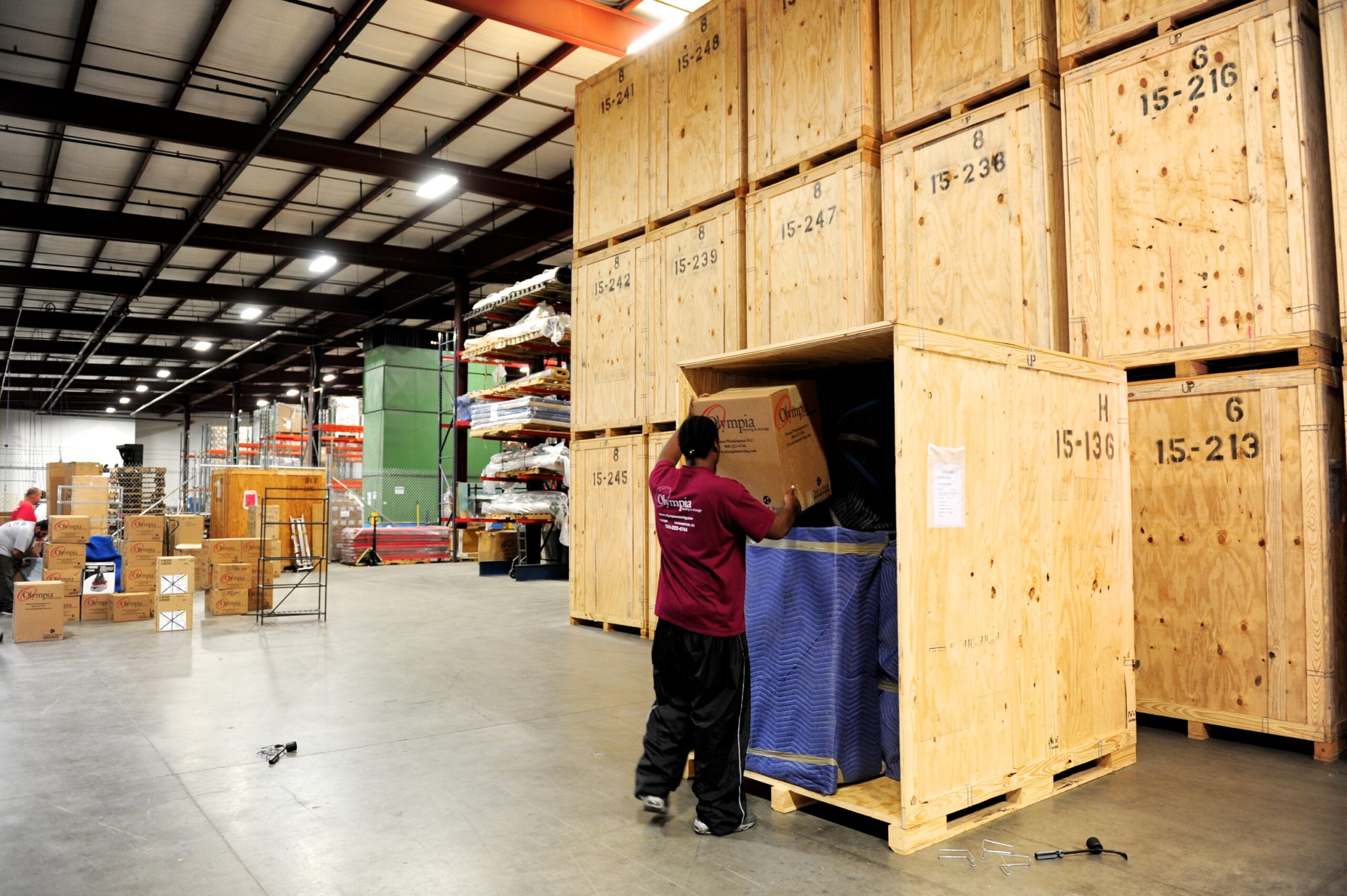
*Note: When moving into storage (and loading vaults on site), we are limited to 5,000 lbs per truck. This is because we will load directly into vaults inside of the truck. We are limited to 5 vaults per truck, which hold approximately 1,000 lbs.

Weight/Cubes in a Vault
| Equipment | Weight lbs/kgs | Cubic ft/m |
| Vault | 1,000 lb / 453.592 kg | 143 ft^3 / 4.049 m^3 |
Dimensions: 5′ x 7′ x 8′
Capacity: 1,000 lbs = approx one room of household goods
Inventory Rule of Thumb: 1 page of inventory = ~1,000 lbs and takes ~15 mins to fill out
Why it Matters:
- Sales: Accurate vault count is critical for pricing storage
- Operations/Warehouse: Prevents over or under-allocation of warehouse space
- Movers: Ensures vaults are filled evenly to avoid damage and maximize space
Weight/Cubes in a Liftvan
| Equipment | Weight lbs / kgs | Cubic ft / m |
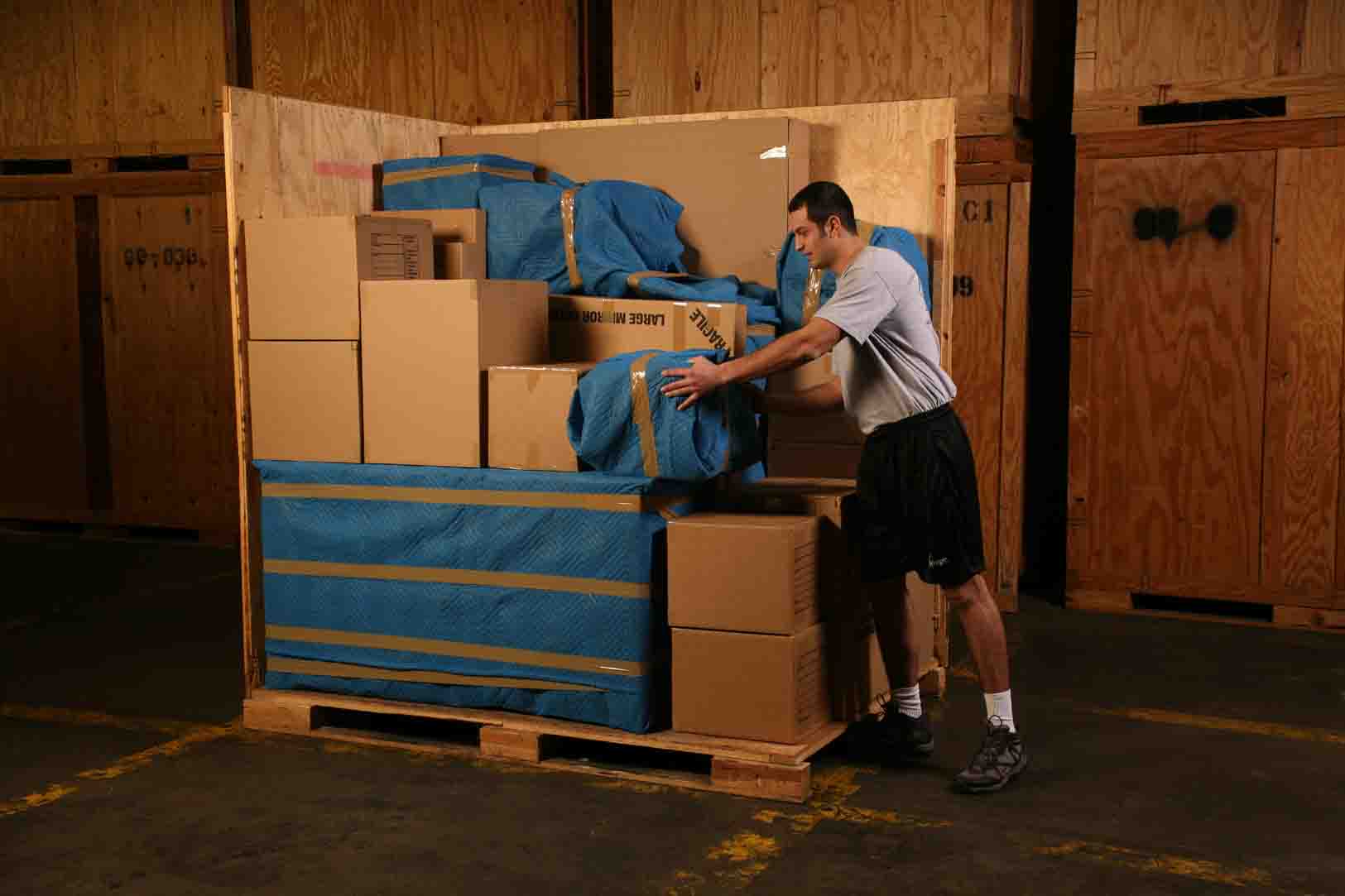
| Liftvan | 1000 lb / 453.592 kg | 170 ft^3 / 4.814 m^3 |
Dimensions: 85” x 45” x 85” = 170 ft^3
Capacity: 1,000 Lbs
*Note: Our goal is to get 1000 lbs per liftvan, however realistically we can only fit 850-900 lbs per liftvan. To achieve maximum density we often have to dismantle furniture.
Why it Matters:
- Sales: Sales teams use the estimated cube and weight to determine how many liftvans are required. Over- or underestimating can result in shipping overages, repacking costs, or additional liftvans being needed at the last minute.
- Operations: Operations and warehouse staff rely on cube and weight data to plan truck loading, storage allocation, and export container space. Incorrect cube counts can lead to improper load balancing or unsafe handling.
- Customs Compliance: International shipments require detailed documentation of weight and volume. Inaccurate reporting can delay customs clearance, increase freight costs, or result in penalties.
Preventing Loss: Overloaded liftvans are more likely to suffer damage during handling or transit, while underfilled containers waste expensive cubic space. Both reduce overall profit margins and can impact customer satisfaction.
Overseas Containers:
Overseas shipments use standardized container sizes, each with specific weight and volume limits that impact quoting, packing, and routing. Staying within these limits ensures compliance with ocean freight regulations and prevents costly rebooking or handling delays.
Capacity Guidelines:
- 20 ft Container: ~6,500 lbs (average household = 1–1.5 bedrooms)
- 40 ft Container: ~14,000 lbs (average household = 3–4 bedrooms)
- 40 ft High Cube Container: ~17,000 lbs (used for larger or bulkier shipments)
Efficiency in loading is key. Going over the recommended container weight can cause shipping delays, incur overweight fees, or require rebooking.