Who We Are
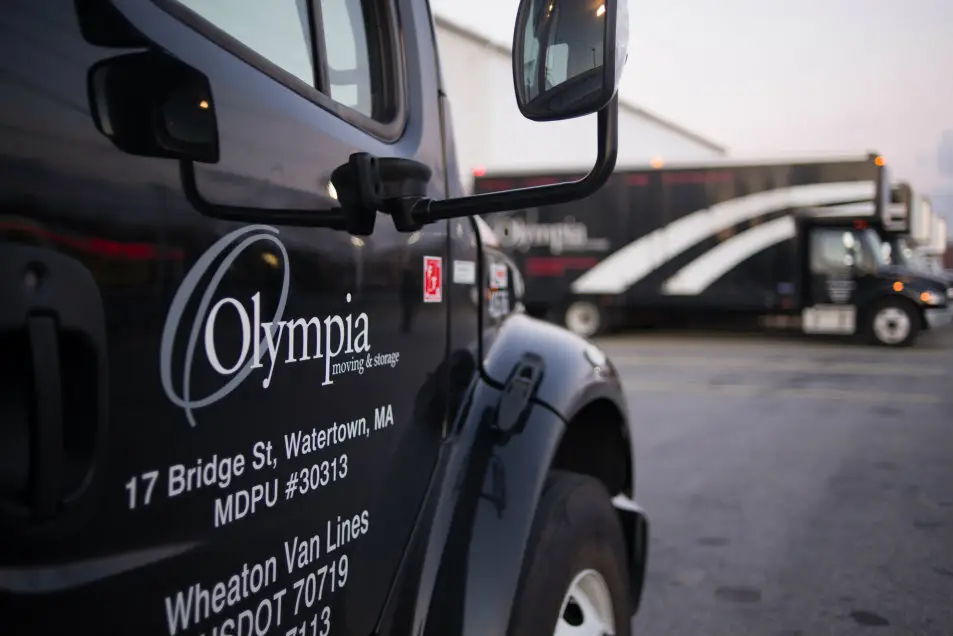
Olympia is a full-service moving and storage company founded in Boston, Massachusetts in 1993. From our first truck, we’ve grown to five major cities – Boston, Washington DC, Philadelphia, Tampa, and Austin – completing moves of all scales, both residential and commercial.
From the very beginning, Olympia set out to break the “average mover” stereotype. Our founder, Michael Gilmartin, built a reputation for service and efficiency by personally running boxes up and down the narrow stairwells of historic Boston walk-ups. That standard of hard work and customer-first service is still the foundation of how we operate today.
Our Culture
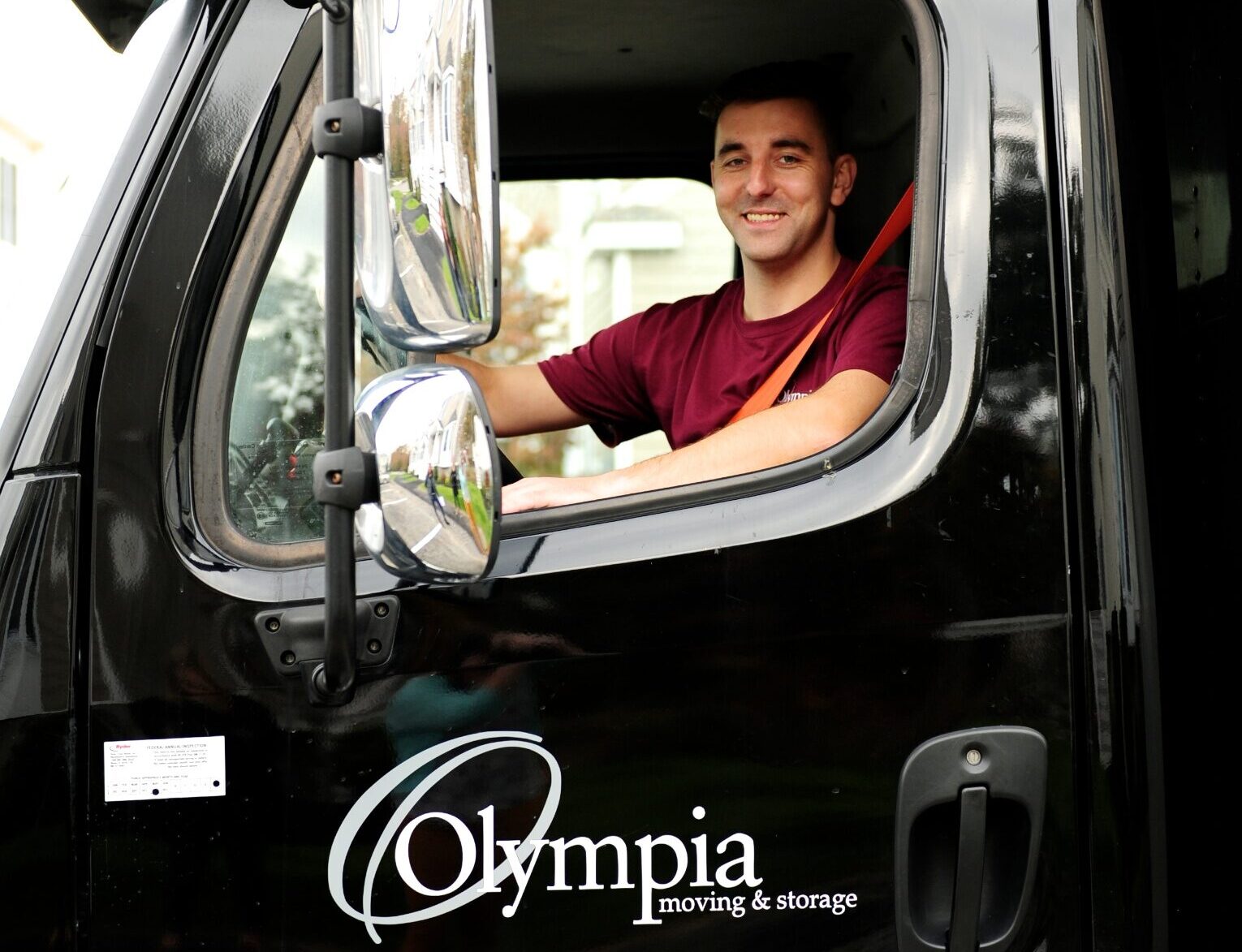
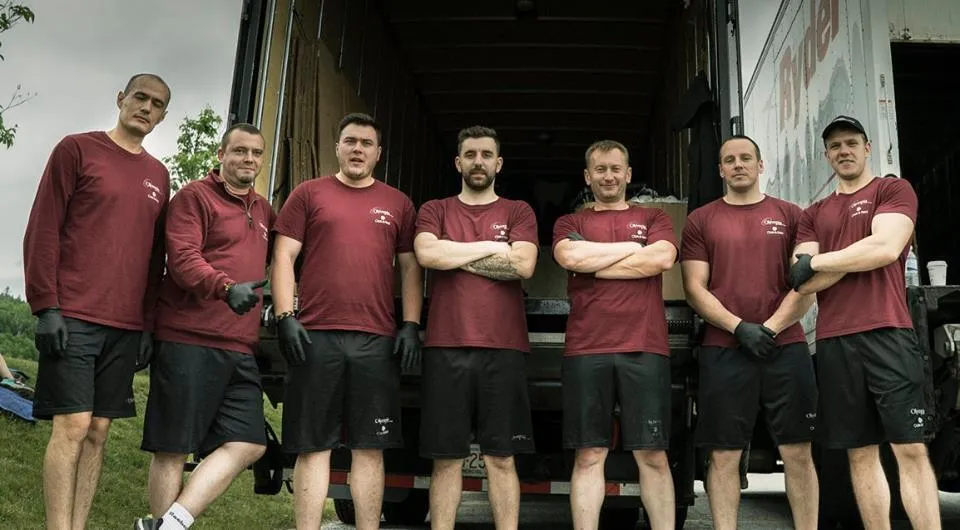
Olympia invests heavily in its people. Many of our managers, operations staff, and even office leadership started on the moving trucks. We believe that when every team member understands how the entire process works, we work smarter, prevent mistakes, and deliver a better experience to the customer.
“We create opportunities for people to thrive — both internally and externally.”
At Olympia, this mission guides every decision we make. For our clients, it means providing smooth, stress-free relocations so they can focus on their lives or businesses. For our employees, it means providing training, growth, and career paths that allow you to succeed personally and professionally.
Why This Document Exists
Every decision made on the job – including but not limited to our movers, drivers, operations, sales, marketing, accounting – affects the entire company.
For example:
- If a mover uses the wrong box type, it may throw off the cube count/box estimate the salesperson provided to the client. This causes extra labor, or the need for additional packing supplies, all of which eat into the profitability of the move.
- If an operations manager fails to schedule truck maintenance, it could result in costly breakdowns, delays, and dissatisfied customers.
- If paperwork or inventories are completed incorrectly, it slows down the customs clearance, billing, and claims processing; impacting both clients and the company’s bottom line.
The goal of this handbook is to give you visibility into the bigger picture: how your role connects with others, where mistakes cost the company money, and how you can help Olympia remain efficient, competitive, and profitable.
At Olympia, we don’t just move boxes, we deliver promises. And protecting those promises requires everyone to understand how their daily work impacts the larger operation.