How to Move Sensitive Equipment and Documents Securely
In an era where data breaches make headlines and corporate espionage remains a genuine threat, moving sensitive equipment and confidential documents has become one of the most critical challenges facing businesses. Whether relocating an entire office, transferring equipment between facilities, or moving archived records to storage, the stakes are high. A single compromised document or damaged piece of equipment can result in regulatory violations, competitive disadvantages, financial losses, or irreparable damage to client trust. Understanding how to execute secure office moving requires specialized knowledge, meticulous planning, and partnership with secure movers who treat data protection and asset security as seriously as you do.
Understanding What Qualifies as Sensitive
Before planning a secure move, businesses must first identify what actually qualifies as sensitive and requires special handling. The answer varies by industry and organization, but generally includes several categories of items that demand heightened security protocols.
Confidential documents represent the most obvious category—client records, financial statements, employee personnel files, legal documents, proprietary research, strategic plans, and trade secrets. These materials may exist in physical form, on computer hard drives, or on servers and backup systems. Regulatory frameworks like HIPAA, GDPR, and various financial privacy laws impose strict requirements on how this information must be protected during transport.
Sensitive equipment includes servers containing unencrypted data, computers with client information, specialized machinery with proprietary configurations, laboratory equipment, medical devices, and any technology containing embedded data or intellectual property. Even equipment that seems purely mechanical may contain computer chips, calibration data, or operational parameters that competitors would find valuable.
High-value assets also require secure handling, even if they’re not technically confidential. Expensive electronics, valuable inventory, artwork, and specialized tools represent significant financial investments that require protection from theft or damage. The overlap between high-value and sensitive often determines the level of security required during a move.
Planning for Secure Office Moving
Successful secure office moving begins with comprehensive planning that addresses both physical security and data protection. This planning phase should start months before the actual move, allowing time to assess risks, develop protocols, and coordinate with all stakeholders.
Begin with a thorough inventory and risk assessment. Document every item requiring special security measures, categorizing by sensitivity level and security requirements. Some items may require encryption before moving, others need armed transport, and still others simply need chain-of-custody documentation. This assessment provides the foundation for your entire security plan.
Develop clear protocols for handling sensitive materials at every stage. Who is authorized to pack confidential documents? How will equipment with embedded data be secured? What happens if something goes missing during the move? Answering these questions before moving day prevents confusion and security gaps when the pressure is on.
Limit access strictly throughout the moving process. The fewer people who handle sensitive items, the lower the security risk. This means carefully vetting everyone involved in the move, from your own employees to the secure moving company’s personnel. Professional secure movers understand this principle and maintain rigorous standards for background checks and employee screening.
Selecting a Secure Moving Company
Not all moving companies are equipped to handle sensitive equipment and documents with the security rigor that business moves require. Selecting the right secure movers can make the difference between a successful relocation and a security nightmare.
Look for moving companies with specific experience in secure office moving and demonstrated understanding of data protection requirements. Professional secure moving companies should be able to articulate their security protocols clearly, provide references from clients with similar security needs, and demonstrate compliance with relevant regulations and industry standards.
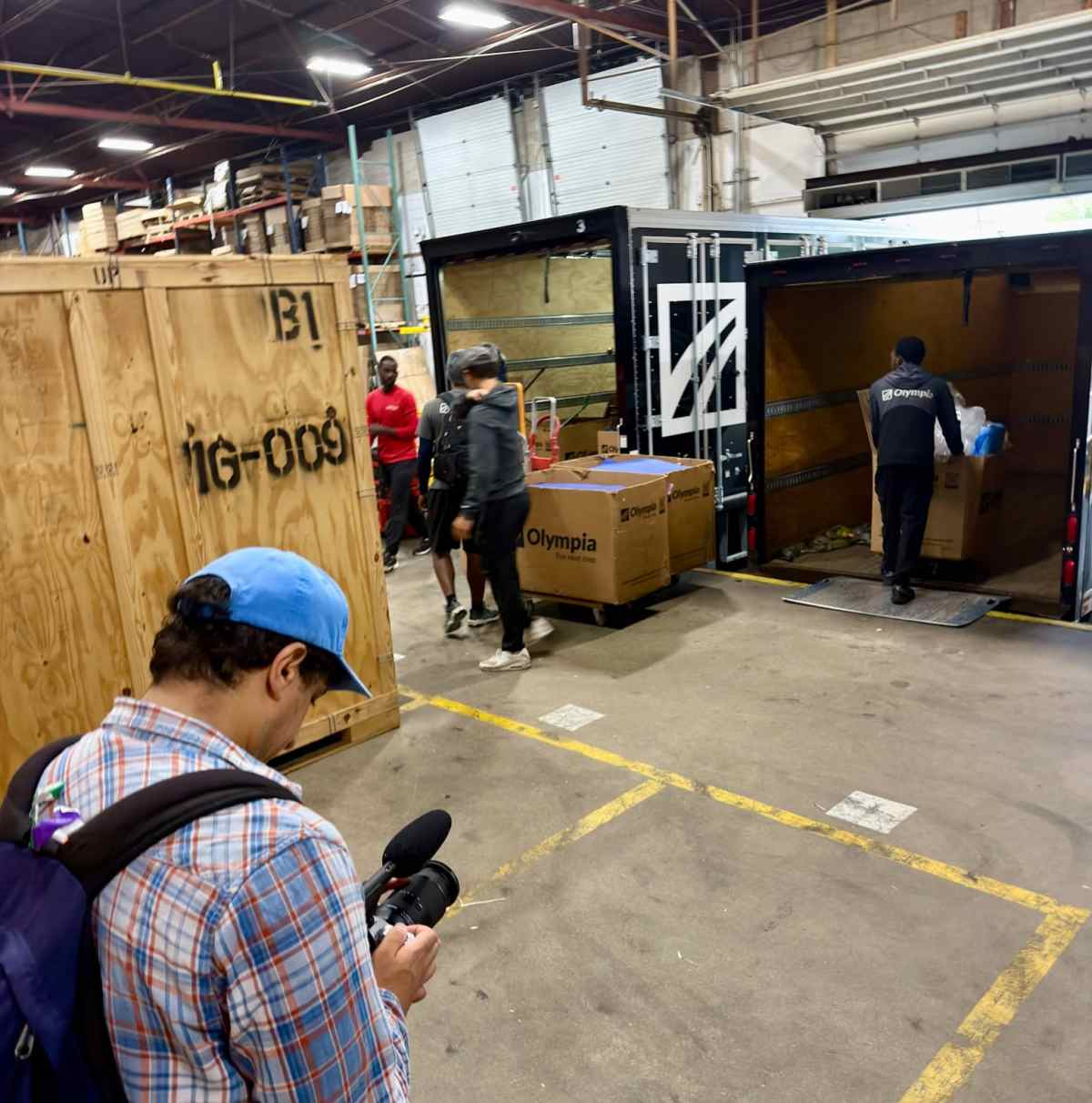
Olympia Moving & Storage has served businesses across Boston, Washington D.C., Philadelphia, Austin, and Tampa since 1993, developing deep expertise in handling sensitive commercial moves. The company’s commitment to exceptional service extends to understanding that for many businesses, security during relocation isn’t just about preventing theft—it’s about maintaining compliance, protecting client trust, and safeguarding competitive advantages. Olympia’s teams approach secure office moving with the same dedication that made the company famous for exceeding expectations in every aspect of moving services.
When evaluating potential secure movers, ask specific questions about their security measures. Do they conduct background checks on all personnel? How do they maintain chain of custody for sensitive items? What insurance coverage do they carry for high-value or sensitive goods? Can they provide secure storage if needed? Do they have experience with your industry’s specific regulatory requirements?
Preparing Sensitive Equipment for Transport
Sensitive equipment requires specialized preparation that goes beyond standard packing procedures. The goal is protecting both the physical device and any data it contains, while maintaining the ability to verify that nothing has been tampered with during transport.
For devices containing sensitive data, the first step is determining whether data should be backed up and wiped before moving, encrypted during transport, or kept offline throughout the process. This decision depends on operational requirements, regulatory obligations, and the sensitivity of the information involved. IT departments should be deeply involved in these decisions and the execution of whatever protocol is chosen.
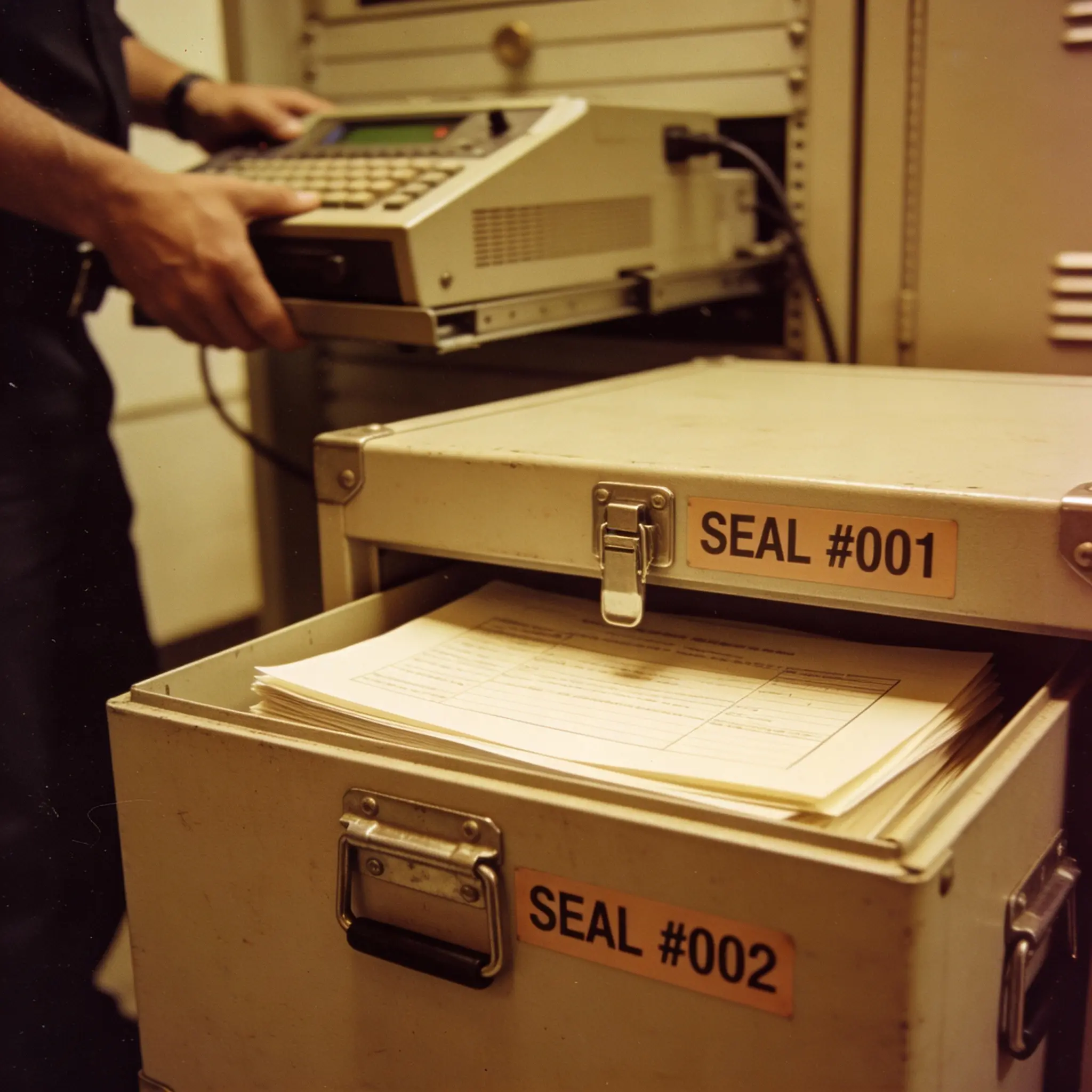
Physical preparation of equipment involves more than bubble wrap and boxes. Sensitive devices need custom crating that protects against both accidental damage and deliberate tampering. Tamper-evident seals, numbered locks, and detailed documentation of equipment condition before packing provide verification that items haven’t been accessed during transport.
For extremely sensitive equipment, consider disassembling components and moving critical parts separately. Servers might have hard drives removed and transported via separate, secure channels. Specialized machinery might have control units detached. This approach ensures that even if physical equipment were compromised, the most sensitive components remain secure.
Handling Confidential Documents
Physical documents present unique challenges in secure office moving because they’re relatively easy to photograph or photocopy, making brief unsupervised access potentially catastrophic. Secure handling protocols for documents must address this vulnerability throughout the moving process.
Before moving, audit all document storage to ensure you’re only transporting what’s necessary. This is an excellent opportunity to implement document retention policies, destroying or securely recycling materials that have exceeded their required retention periods. Fewer documents mean reduced security risk and lower moving costs.
For documents that must move, use secure containers that can be sealed and tracked. Banker’s boxes with numbered tamper-evident seals provide basic security. For highly sensitive materials, consider locked document cases or secure transport cases designed for confidential materials. Maintain detailed inventories of what’s in each container, with specific documentation of particularly sensitive files.
Chain of custody documentation becomes critical for confidential documents. Record who packed each container, when it was sealed, who transported it, and who received it at the destination. This paper trail ensures accountability and provides verification that documents have been handled according to protocol.
Security During Transit and Setup
The actual transit phase represents the highest-risk period for sensitive equipment and documents. Items are out of your direct control, moving through public spaces, and potentially vulnerable to theft or unauthorized access. Professional secure movers implement multiple layers of protection during this critical phase.
Dedicated vehicles, rather than mixed loads, reduce exposure and ensure sensitive items aren’t sitting in trucks or warehouses alongside other clients’ belongings. GPS tracking provides real-time visibility into where your sensitive assets are at all times. For extremely high-value or sensitive moves, consider vehicles with additional security features like reinforced cargo areas or even armed escorts.
The setup phase at the destination also requires security vigilance. Sensitive equipment should be installed and verified immediately upon arrival rather than sitting in boxes. Documents should be secured in locked filing systems as soon as they reach the new location. IT equipment should be tested to verify that it functions correctly and hasn’t been tampered with during the move.
Post-Move Security Verification
After the physical move is complete, conduct thorough security verification before considering the secure office moving process finished. This verification should confirm that all sensitive items arrived safely, nothing is missing, and no unauthorized access occurred during the move.
Check all tamper-evident seals and locks, documenting any discrepancies. Verify that equipment functions correctly and conducts any necessary security scans on IT devices to confirm they haven’t been compromised. Review all chain-of-custody documentation to ensure complete accountability throughout the move.
For regulated industries, document your security measures and verification procedures. This documentation demonstrates compliance with data protection requirements and provides evidence of due diligence should questions arise later.
Conclusion
Moving sensitive equipment and documents securely requires meticulous planning, specialized expertise, and partnership with secure movers who understand that these aren’t ordinary belongings—they’re critical business assets that demand extraordinary care. The consequences of inadequate security during moves can be severe, making investment in proper protocols and professional secure moving companies not just prudent but essential.
Olympia Moving & Storage‘s three decades of experience in commercial moving includes deep expertise in secure office moving that protects both physical assets and the confidential information they contain. From initial security planning through post-move verification, Olympia’s approach ensures that your sensitive equipment and documents receive the specialized handling they require.
When planning your next move involving sensitive materials, don’t treat security as an afterthought. Make it the foundation of your moving strategy, and partner with secure movers who have the experience, protocols, and commitment to protect what matters most to your business.