
10 Overlooked Moving Tasks to Never Forget
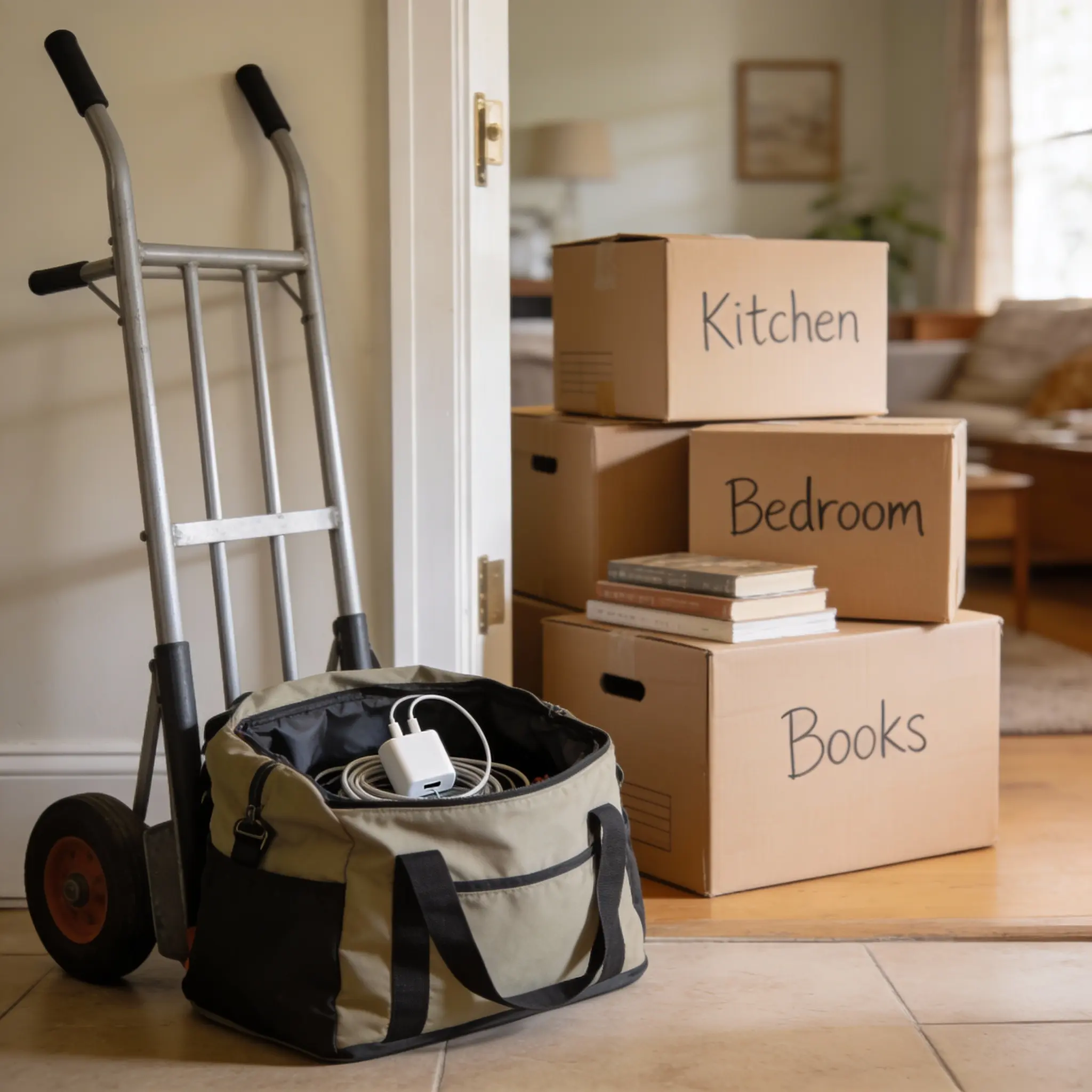
Even with detailed organization and ample time, moving can be a stressful experience. Many people rely on their moving preparation checklist, but some vital steps often slip through the cracks. These overlooked moving tasks can lead to unnecessary stress, unexpected costs, and chaotic moving days. This guide highlights the forgotten things to do when moving so you can prepare comprehensively and avoid last-minute surprises. With added attention to these easily forgotten to-dos, your move can transition from overwhelming to efficient.
Why Overlooked Moving Tasks Matter
Neglecting key tasks can delay your move and increase your expenses. Most people focus on packing, hiring movers, and changing addresses. However, smaller but critical actions—like forwarding medical records or planning for pet care on moving day—are often left out. These gaps in planning can turn an already stressful day into a logistical nightmare, sometimes requiring rescheduled deliveries, missed workdays, or even extra moving charges.
What Happens When You Forget the Details?
Overlooking critical tasks during pre-move planning can result in:
- Unnecessary last-minute errands
- Delays in setting up essential utilities
- Misplaced equipment or important documents
- Inefficiencies that lead to added moving costs
- Stress and confusion for your family or roommates
- Delays in resettling into your new routine
Planning ahead gives you control and peace of mind. Don’t let small details throw off your schedule during one of life’s most high-stress events. Effective planning not only saves money but also safeguards your emotional well-being by making your transition more manageable and predictable.
10 Overlooked Moving Tasks You Shouldn’t Ignore
1. Transferring Medical and School Records
This is often on the list of forgotten things to do when moving. If you’re switching doctors, specialists, or schools, make sure all medical and educational records are securely transferred in advance. Waiting until the last minute may cause delays in accessing essential services. Consider contacting new providers ahead of time to ensure they receive all necessary documentation to continue seamless care or education.
2. Scheduling Utility Disconnection and Reconnection
It’s easy to forget to notify utility companies until it’s too late. Schedule a transfer or disconnection for electricity, water, gas, internet, and cable well before your move. Arrange to have utilities turned on at your new place before you arrive—this avoids your first day in a dark, internet-free home. Also, take note of final meter readings and request confirmation in writing to avoid billing discrepancies after you move out.
3. Preparing Appliances for the Move
Washers, dryers, refrigerators, and other appliances require special preparation. Refrigerators need to be emptied and defrosted at least 24 hours before moving day. Failure to do this could cause leaks or damage during the move—a huge hassle to fix at the last minute. Disconnect appliances that are hardwired, and if needed, enlist professionals to ensure they’re safe for transport. Also, secure any detachable parts to prevent loss or breakage en route.
4. Notifying Financial Institutions and Subscriptions
Ensure your bank, credit card providers, and any subscription services (such as magazines, meal kits, etc.) have your correct new address. This step is commonly overlooked and can lead to payment issues or missed deliveries, disrupting your routine after the move. Update online profiles as well, especially with accounts that auto-renew or manage billing through postal services.
5. Taking Measurements at Your New Place
One of the most overlooked moving tasks is measuring your new doors, hallways, and rooms before moving in. Find out if your current furniture will actually fit. The last thing you want is to discover that your couch won’t fit through the front door on moving day. Taking accurate measurements beforehand will also help you determine which furniture to keep, sell, or donate, thus saving valuable moving time and space in the moving truck.
6. Creating a Customized Moving Day Checklist
A personalized moving day checklist helps you stay organized from the moment movers arrive to the last box being unpacked. Note details like confirming arrival times, overseeing the packing of fragile items, and ensuring essentials (like phone chargers and documents) are accessible. Also, include a timeline for the day so you know when lunch breaks, clean-up, and final walkthroughs happen. Leave room for contingency plans to handle surprises such as rain or equipment failure.
7. Arranging Pet and Childcare for Moving Day
If you have pets or young children, moving day can be chaotic. Find a sitter or a safe space for them during the busy transition. This ensures their safety and allows you to focus on supervising your move without distractions. Leaving children and pets with family or trusted friends can also ease their anxiety by keeping them safe and away from the moving chaos.
8. Backing Up Important Files and Documents
In the shuffle of boxes and bags, paperwork and electronics can get lost or damaged. Create both digital and physical backups of essential documents like ID cards, passports, tax records, and contracts. You’ll thank yourself if anything goes missing. Consider using cloud storage solutions like Google Drive or Dropbox for secure, remote access to critical information anytime, anywhere.
9. Updating Your Address with All Relevant Services
Besides the post office, notify services like voter registration, the DMV, insurance companies, and medical providers. This small step in pre-move planning helps you avoid legal or administrative issues down the road. Also, update your address on online shopping sites, job portals, college or alumni networks, and even your gym membership to ensure continuity where needed.
10. Cleaning and Inspecting Both Properties
It’s courteous—and often required—to leave your old home clean. Likewise, inspecting your new property before the move-in can save you from unpleasant surprises. Note damages or issues and report them to your landlord or property manager. Also, clean high-touch surfaces before unloading your belongings. Don’t forget to check attics, basements, and closets both before and after moving to ensure nothing is left behind—and that nothing undesirable is waiting for you.
Pre-Move Planning Tips to Stay Ahead
To avoid these overlooked moving tasks, you need a strong planning strategy. Here are essential pre-move planning tips to help you stay organized:
- Start Early: Begin planning at least six weeks in advance. This gives you time to handle paperwork, logistics, and organization. Starting early also allows room for tackling unexpected hurdles or delays more gracefully.
- Create a Personalized Moving Binder: Keep checklists, contacts, schedules, receipts, and notes in one dedicated place. Include tabs for documents like lease agreements, mover contracts, and utility records.
- Use a Shared Digital Calendar: Coordinate with family or roommates using tools like Google Calendar or Trello to track tasks and appointments. Assign responsibilities to avoid overlap and ensure everyone is informed.
- Label Boxes Clearly: Use color codes or numbering systems to indicate which room boxes belong to and their contents. Write detailed labels such as “Kitchen – Glassware” rather than just “Kitchen.” This will speed up both unpacking and locating essential items.
- Work with a Professional Moving & Storage Company: Services like moving & storage experts can provide resources, checklists, packing help, and streamline the process. Many also offer insurance options and storage solutions for temporary needs.
Common Mistakes to Avoid
Here are a few common pitfalls even organized movers fall into:
- Packing perishables or flammable items that movers can’t transport
- Not reviewing moving insurance options
- Leaving valuables unsecured or untracked
- Forgetting to tip your movers if appropriate
- Mislabeling boxes, leading to confusion while unpacking
- Failing to check neighborhood regulations on moving truck parking or move-in hours
Being mindful of these missteps can make your move smoother, safer, and more efficient. Educate yourself about your specific housing community rules to avoid conflicts or unexpected fines on moving day.
Conclusion
While moving is daunting, success lies in strategic, detail-oriented planning. Avoiding overlooked moving tasks ensures you won’t be blindsided by forgotten steps. Incorporate these often-neglected items into your moving preparation checklist to save time, reduce stress, and ease the transition into your new space. A little extra effort upfront makes a massive difference when the big day arrives.
Remember—whether it’s scheduling utility transfers, prepping appliances, or creating a moving day checklist, the little things make a significant difference. With these pre-move planning tips, you’ll be fully prepared for a smooth and successful move in 2026 and beyond. Be proactive, stay flexible, and look forward to settling into your new home with confidence and clarity.