
How Professional Movers Disassemble and Reassemble Furniture Safely
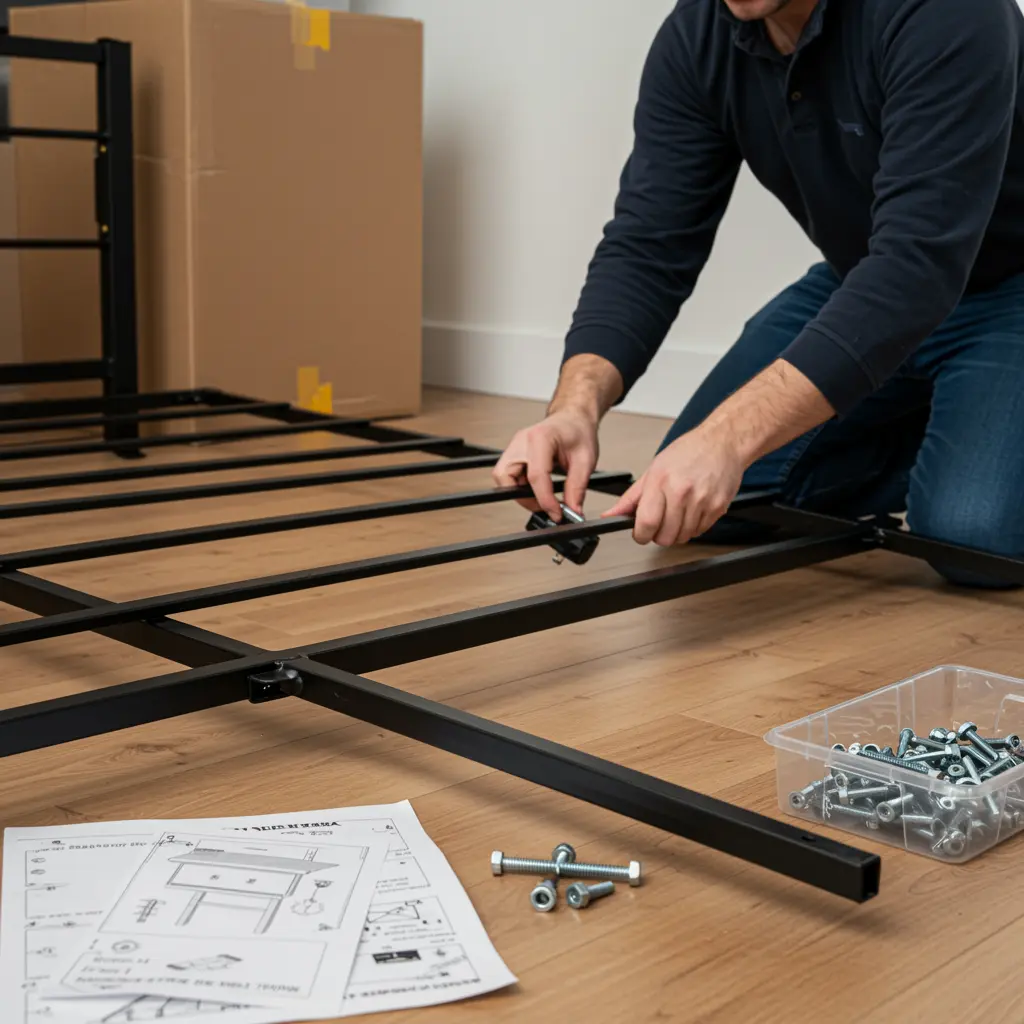
Whether you’re relocating across town or cross-country, one of the biggest challenges is getting your furniture to your new home in one piece—and without injury or damage. This is where furniture disassembly and reassembly services come into play. While many homeowners attempt to take apart large items themselves, professional movers bring experience, precision tools, and proven systems for doing it quickly, safely, and efficiently. But how do professional movers disassemble furniture—and more importantly, how do they ensure it’s reassembled properly at your destination?
In this guide, we’ll unpack the techniques, tools, and industry best practices behind safe furniture handling. More than a DIY how-to, this post explores what sets trained professionals apart. We’ll explore everything from furniture protection during moving transit to managing hardware and ensuring modular items like IKEA pieces stay structurally sound. Whether you’re hiring local movers or moving across states, these insights will help protect your furniture investment and reduce stress levels.
Why Disassemble Furniture Before Moving?
Professional movers disassemble furniture to make it safer and easier to transport. Oversized or heavy furniture poses risks to walls, floors, doorways—and your back. Disassembly allows for more strategic loading, better weight distribution, and less chance of furniture getting stuck mid-move.
- Minimizes damage to furniture
- Prevents scratches and dents to walls or floors
- Facilitates moving through tight spaces
- Reduces personal injury risks
How Professional Movers Disassemble Furniture
Here’s what sets professionals apart: movers know what to take apart, what tools to use, and how to account for every screw and bracket.
1. Strategic Assessment of Each Item
Professionals begin by evaluating which pieces require disassembly. Not all furniture needs to be taken apart. Their expertise determines what’s necessary.
- Bulky sectional couches often split into segments.
- Disassembling bed frames for moving is practically a standard step.
- Dining tables with leaf extensions come apart easily with the right knowledge.
2. Use of Specialized Tools Movers Use to Take Apart Furniture
Professionals use a variety of furniture moving tools to streamline the process. These include:
- Allen wrenches (particularly for how to disassemble IKEA furniture for moving)
- Power drills with multiple bits
- Rubber mallets—gentle on wooden joints
- Furniture sliders and lift straps
- Labeling tags and color-coded tape
3. Hardware Management: The “Ziploc & Tape” Method
One of the most important parts of reassembly is keeping track of all the small parts—screws, bolts, washers. The best moving teams use labeled hardware bags, placing every item in a Ziploc bag and taping it directly onto the corresponding furniture piece with masking tape labeled by room or item (e.g., “Master Bed Screws”).
4. Digital Cataloging with Photos
Movers often take before and after photos during disassembly. This not only aids reassembly but also documents furniture condition before transit—protecting both parties.
5. Detailed Labeling Systems
From colored tape for panel orientation to notes for left vs. right side panels, pros leave no assembly guesswork. Instruction manuals, if available, are bagged with the piece.
How Movers Disassemble Modular and IKEA-Type Furniture
Modular and flat-pack furniture (like IKEA and Wayfair items) is particularly susceptible to damage. It’s designed for light DIY assembly but not repeated deconstruction. Professional movers use extra care here.
- Pieces are disassembled partially (never fully) when possible.
- Stress points are padded or reinforced during deconstruction.
- Parts are numbered, even more so than with traditional furniture.
The goal is to preserve integrity and avoid stripping screws or breaking laminate boards during reassembly. This attention to detail is a hallmark of exceptional moving company furniture assembly tips.
Managing Large Furniture Through Tight Spaces
Getting that oversized dresser or sectional through a narrow hallway? Experienced crews use techniques like:
- Removing legs and hardware to shrink profiles
- Using lifting straps and rotating items vertically
- Careful wall and floor protection with pads
- Temporary removal of door frames if required (with client permission)
These strategies are generally beyond DIY capabilities and significantly reduce the risk of both property and furniture damage—another reason to opt for pros when moving bulky furniture through narrow doorways.
Furniture Protection During Moving Transit
Protecting your furniture isn’t just about how it’s taken apart; it’s also about ensuring it arrives in the same condition at your destination. Reliable movers take several steps to ensure furniture protection during moving transit:
- Complete wrapping using furniture blankets and heavy-duty plastic
- Utilization of tie-downs and straps to secure in truck
- Anti-scratch padding between furniture items
What Movers Typically Won’t Disassemble
Not all items fall under furniture disassembly and reassembly services. Movers typically do not handle:
- Wall-mounted furniture and shelving unless detached in advance
- Built-in units (e.g., Murphy beds, cabinets attached to walls)
- Electrically hard-wired lighting fixtures
- Plumbing-related fixtures or appliances
Clarify these boundaries beforehand to avoid last-minute issues.
Tips to Help Movers Help You
- Clear Rooms in Advance: Ensure clear access to large furniture pieces.
- Retain Any Assembly Instructions: If you have manuals from IKEA or Wayfair, supply them.
- Discuss Special Items: Let movers know which items may have hidden hardware or fragile panels.
Conclusion
Hiring professionals for furniture disassembly and reassembly services offers safety, efficiency, and peace of mind. From using the right tools movers use to take apart furniture to carefully protecting items during transport, movers do it all with precision. Their experience with complicated modular setups and labeling systems prevents headaches and broken bolts during reassembly. So, when you’re planning a move, consider trusting professionals—not just to lift heavy loads but to preserve the functionality and longevity of your furniture.
If you’re ready to make your move smoother and safer, don’t hesitate to consult with local experts. Choosing local movers with proven techniques can make all the difference between chaos and comfort on moving day.