
How to Pack Clothes for Moving the Right Way
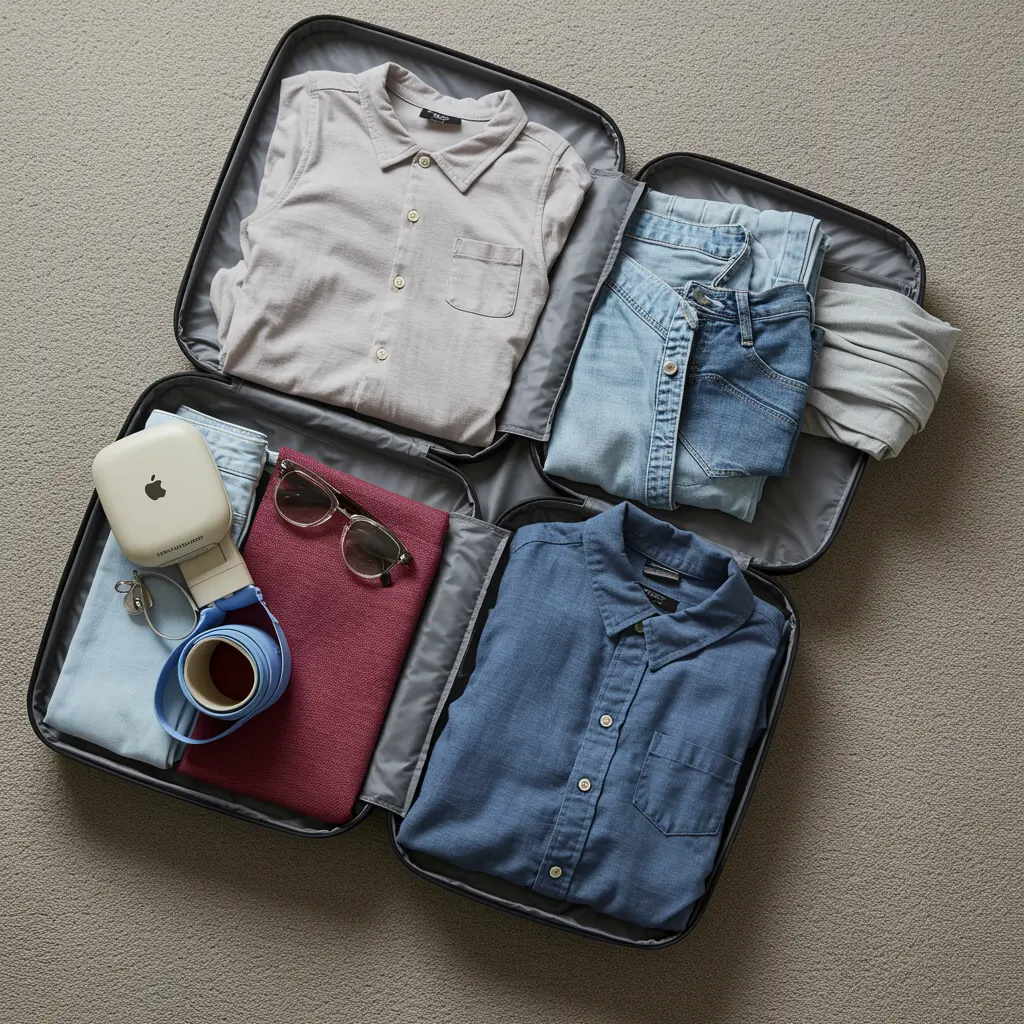
Moving your wardrobe can feel like the most frustrating part of relocation. Clothes live in closets, drawers, bins, and off-season storage, and each category needs different handling if you want to avoid wrinkles, damage, or total chaos in your new home. Learning how to pack clothes for moving the right way will save you time during unpacking, protect your favorite pieces, and keep you from lugging boxes of clothing you no longer want.
This guide walks you through closets, dresser drawers, and seasonal items step by step. You will learn how to pack clothes for moving without wrinkles, practical wardrobe box tips for packing hanging clothes, exactly how to pack dresser drawers for moving, and how to pack seasonal clothing for moving and storage so it stays fresh and organized long after moving day. We will also cover decluttering clothes before moving to a new home so you only bring what you truly wear and love.
Whether you are handling everything yourself or coordinating with professional movers, these strategies will help you transfer your wardrobe efficiently and protect every garment, from your daily jeans to your most delicate dresses.
How to Pack Clothes for Moving Without Wrinkles
The key to moving clothes without wrinkles is to control movement, avoid over-compression, and keep certain items on hangers whenever possible. Most wrinkles happen when fabric is crushed at odd angles or allowed to slide around inside half-empty boxes. Use the right container for each clothing type and fill it properly so items stay flat and supported.
Here are core principles to minimize wrinkles:
- Match container to clothing type. Use wardrobe boxes for hanging items, suitcases for folded stacks, and small boxes for delicate or structured pieces like blazers.
- Roll or fold with intention. Rolling works well for knitwear and casual items; careful flat folding is better for dress shirts, trousers, and tailored pieces.
- Fill gaps. Empty spaces cause sliding and bunching. Use socks, scarves, or small soft items to fill corners and stabilize stacks.
- Avoid overstuffing. Overpacked boxes push fabric into sharp creases that are hard to remove later. Aim for snug but not bulging.
- Use barriers for delicate items. Place tissue or clean cotton between fragile garments to reduce friction and color transfer.
With these basics in mind, you can choose the best method for each section of your wardrobe and seriously cut down post-move ironing time.
Packing Hanging Clothes: Wardrobe Box Tips
Hanging clothes are usually your most wrinkle-prone and most valuable pieces. Packing hanging clothes with wardrobe box tips in mind lets you preserve their shape and save enormous unpacking time. A wardrobe box is a tall carton with a built-in metal bar, designed so you can move garments directly on their hangers.
When to Use Wardrobe Boxes
Wardrobe boxes are especially helpful for:
- Suits, blazers, and tailored jackets
- Dresses, especially formal or maxi styles
- Button-down shirts and blouses
- Coats and outerwear that need to stay structured
If you are using professional local movers, ask whether wardrobe boxes are included or can be added. They are a simple investment that protects your highest-value garments.
Step-by-Step: How to Pack Hanging Clothes
- Sort by category and length. Separate long dresses, shirts, jackets, and trousers. Grouping by type will make unpacking much faster in your new closets.
- Inspect and declutter. Before a single item goes into a wardrobe box, decide whether it deserves space. This is a perfect moment for decluttering clothes before moving to a new home.
- Use sturdy hangers. Replace broken or flimsy hangers that could snap under the weight of a moving box. Matching hangers also let garments hang closer together and reduce shifting.
- Bundle similar items. Slip a few hangers through a large elastic band or tie them with soft string. Bundles of 5–10 pieces are easier to hang in the box and less likely to tangle.
- Load the wardrobe box evenly. Hang heavier items (like coats) at the ends and lighter ones (like shirts) toward the center. This balances the bar and prevents bending.
- Protect from dust and snags. Drape a clean sheet or plastic garment cover over the hanging clothes before closing the flaps. This adds a layer of protection during transit.
- Label clearly. On the outside of the wardrobe box, write both the room and clothing type: “Primary Bedroom – Work Shirts,” “Hall Closet – Coats.” That way you can hang essentials immediately on arrival.
These wardrobe box tips keep garments upright, smooth, and ready to wear as soon as they come off the truck.
How to Pack Dresser Drawers for Moving
Dressers are tricky because they are both furniture and storage. Deciding how to pack dresser drawers for moving depends on weight, construction quality, and whether professionals will carry the piece. You must also think about safety: loose drawers can slide, and heavy contents add stress to the frame.
Option 1: Empty the Drawers Completely
This is the safest and most recommended method, especially for long-distance moves or fragile furniture.
- Remove each drawer. Pull drawers out one by one and set them on a clean surface.
- Sort and declutter. As you empty each drawer, make fast decisions about what to keep, donate, sell, or recycle. This is an efficient way to continue decluttering clothes before moving to a new home.
- Fold or roll items. Place clothes into small or medium boxes, using rolling for casual items and careful folding for structured pieces.
- Label boxes by drawer. Write “Top Left Dresser Drawer – T-Shirts” or similar. When you arrive, you can simply reverse the process.
- Wrap and protect the dresser. Once empty, have your movers pad and wrap the dresser to prevent scratches or damage.
Option 2: Leave Lightweight Clothing in Drawers
For sturdier furniture and short, well-managed moves, you can sometimes keep soft, lightweight items in the drawers.
- Only keep soft items. Underwear, socks, lightweight tees, and activewear are fine. Remove anything heavy, fragile, or breakable.
- Secure the contents. Lay a sheet of packing paper or stretch wrap over the clothing to hold it in place.
- Wrap the entire dresser. Use plastic stretch wrap and moving blankets so drawers cannot slide open.
- Check with your movers. Some companies prefer all drawers empty for safety and liability reasons. Always follow their policy.
Whichever method you choose, the goal is to move both dresser and clothing safely while still making unpacking quick and intuitive.
How to Pack Closets Efficiently
Beyond delicate hanging items, closets usually hold a mix of folded clothes, shoes, accessories, and random extras. Packing this space efficiently will set the tone for your entire wardrobe move.
Step 1: Declutter Before You Pack
Decluttering clothes before moving to a new home is one of the highest-impact things you can do. Every garment you release is one you do not have to pack, carry, unpack, or store.
- Set clear rules. For example: “If I have not worn this in a year, it goes,” or “If it does not fit comfortably today, I donate it.”
- Work category by category. Tackle jeans, then dresses, then sweaters, and so on. This exposes duplicates and makes it easier to keep only the best pieces.
- Prepare donation and resale bags. Keep clearly labeled bags or boxes ready so items you are discarding do not creep back into the “keep” pile.
Step 2: Pack by Use and Season
Once you have edited your wardrobe, pack based on how soon you will need each item.
- Everyday essentials. Pack a box or suitcase labeled “Open First – Clothes,” including enough outfits for a week, plus sleepwear and undergarments.
- Work and formal wear. Use wardrobe boxes or carefully folded garment boxes. Label clearly so you can pull out professional clothes quickly if you need them right after the move.
- Off-season items. These can be sealed more thoroughly and may even go straight into long-term storage if your new closet is smaller.
How to Pack Seasonal Clothing for Moving and Storage
Seasonal clothing often takes up the most space while being used the least. Knowing how to pack seasonal clothing for moving and storage will keep these items clean, bug-free, and easy to rotate when the weather changes.
Prep Seasonal Items Before Packing
Before you box anything that will sit for months, do some basic preparation:
- Clean everything. Launder or dry-clean coats, sweaters, and special-occasion outfits. Dirt, sweat, and food particles can attract pests and cause long-term stains.
- Repair minor damage. Sew loose buttons, fix small holes, and replace stretched-out elastic so items feel ready to wear when you unpack them later.
- Sort by climate and frequency. Put ski gear, heavy coats, or beachwear into clearly labeled, separate containers depending on how often you actually use them.
Best Containers for Seasonal Clothing
Choose storage that balances protection with breathability:
- Plastic bins with tight lids are excellent for basements, garages, or professional storage environments, especially if there is any risk of moisture.
- Fabric storage bags work well inside closets where mold and water are less likely, but you want airflow for natural fibers like wool.
- Vacuum-seal bags can be useful for bulky items like down comforters or puffy jackets; however, avoid long-term compression for delicate or structured garments.
Label for Future You
Good labeling can make next season feel effortless:
- Write the season (e.g., “Winter”), the size range, and the main contents (coats, sweaters, boots).
- Note whether the bin is ready to go straight to a closet or should stay in storage until the right month.
When you handle your seasonal items this way during the move, you avoid opening random boxes just to find a single coat or swimsuit months later.
Using Professional Movers and Storage for Clothes
Even with perfect planning, there are times when professional help pays off. If you are juggling work, family, and a tight schedule, partnering with experienced movers or using secure storage can make transporting your wardrobe far easier.
- Local moves. For short-distance relocations, professional local movers can bring wardrobe boxes on moving day, load your closets directly, and have everything hanging in the new place within hours.
- Staging and temporary storage. If you are staging a home for sale or moving in phases, full-service storage keeps off-season items and extra wardrobe pieces safely out of the way.
- Specialty items. High-end gowns, tuxedos, furs, or vintage pieces benefit from the extra care and materials that professional movers bring.
Ask any moving company specific questions about how they handle clothing, whether they supply wardrobe boxes, and how they protect furniture with drawers so you can plan your packing strategy accordingly.
Conclusion
Learning how to pack clothes for moving is about more than fitting fabric into boxes. When you understand how to protect hanging garments, how to manage dresser drawers, and how to pack seasonal clothing for moving and storage, you preserve your wardrobe, simplify unpacking, and avoid wasting time on clothes you no longer want. Use wardrobe boxes for your best hanging items, follow smart folding and rolling techniques for everything else, and treat decluttering clothes before moving to a new home as a non-negotiable step.
Whether you rely on professional movers or take the DIY route, applying these strategies will help you move into your new closets with order, clarity, and clothing that is ready to wear on day one.