
How to Prepare Large Appliances for a Move: A Complete Guide
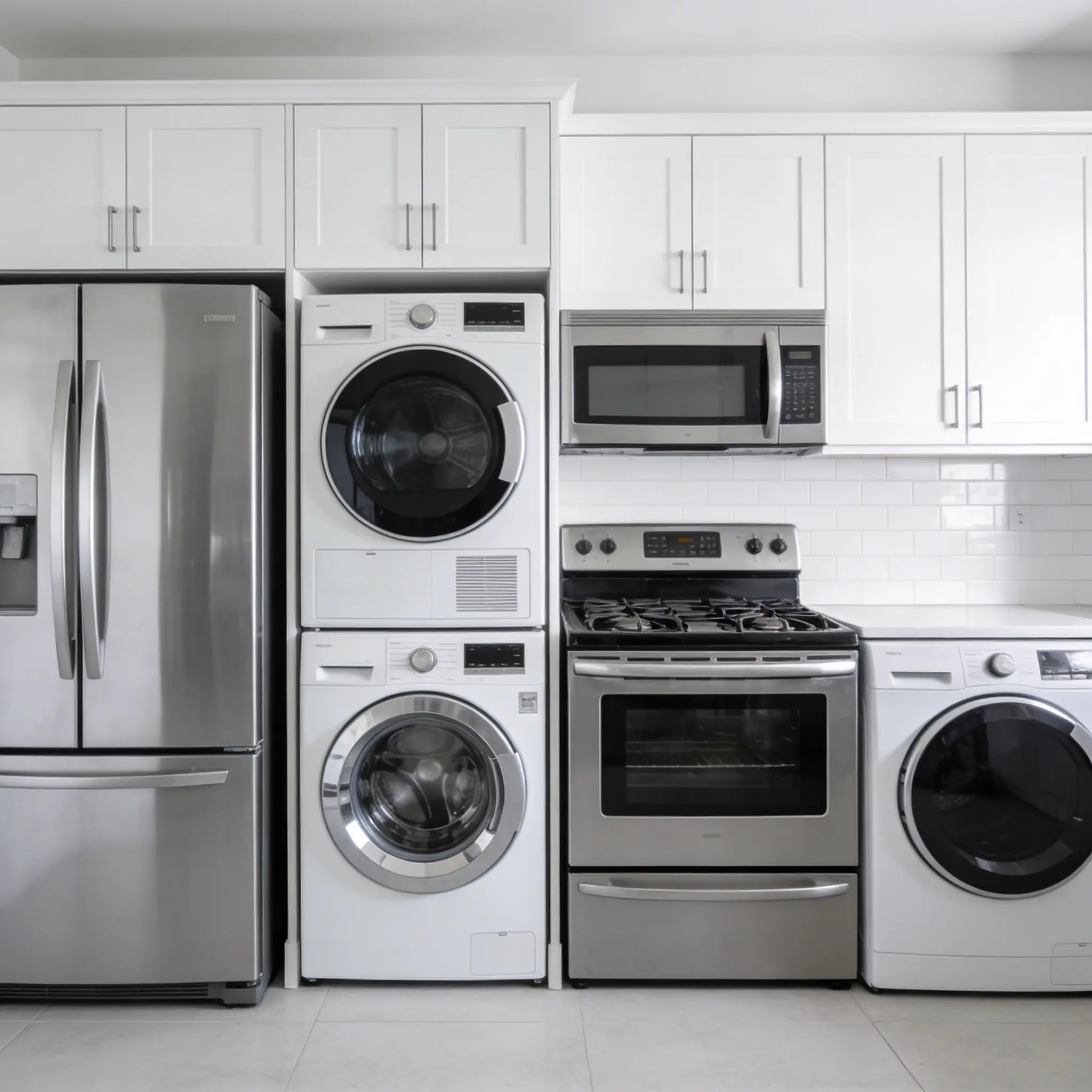
Moving to a new home is a massive undertaking, and large household appliances are some of the trickiest items to handle. Whether it’s your refrigerator, washing machine, dryer, dishwasher, or gas stove, preparing appliances for moving requires careful planning, proper tools, and a critical eye on safety. With many homeowners making final moving arrangements in the last week, taking proper steps to move large appliances can save time, money, and stress—and prevent injuries or damage.
This complete guide outlines technical procedures, professional insights, and an actionable checklist for moving appliances. We’ll help you distinguish between what you can do yourself—like drying, cleaning, and securing—and tasks that require expert handling, such as disconnecting gas lines. By the end, you’ll know how to prepare each appliance and have a solid strategy for moving heavy appliances safely into your new home.
General Rules for Preparing Appliances for Moving
Every appliance is different, but several rules apply across the board. Use this as your foundation for safely moving all large appliances.
- Unplug and Disconnect Properly: Allow sufficient time—usually 24 hours or more—after unplugging for internal cooling systems or dryer drums to stabilize.
- Clean Thoroughly: Leftover food, detergent, or moisture can cause odors and mold growth. Fully clean and dry interiors.
- Secure Cords and Components: Tape cords to the back of the units. Remove and store detached parts like shelves, drawers, or knobs in labeled bags.
- Use the Right Tools: Floor sliders, appliance dollies, lifting straps, and shipping pads protect both the appliance and your flooring.
Moving Refrigerators and Freezers
Defrosting Freezer Before Moving
Always defrost at least 24 hours before moving. Melted ice can lead to water damage inside the unit or your flooring if moved prematurely. Open both the fridge and freezer doors, place towels underneath to absorb water, and clean all compartments with mild soap once dry.
Secure loose items like shelves and drawers. It’s also important to leave the doors slightly ajar during transport to prevent musty odors or mildew buildup. Secure them in this slightly open position with tape or cords, if necessary.
Moving Refrigerator Guide: Positioning and Loading
Refrigerators should always be transported upright. Tilting them can damage the internal compressor or cause oil leakage. When moving, protect the appliance with padding and use an appliance dolly. Allow the fridge to sit unplugged at its new location for 4–6 hours before restarting, letting internal fluids settle.
How to Move a Washing Machine Safely
Shipping Bolts for Washer: Why They Matter
Shipping bolts protect the drum of your front-loading washing machine during transport. If you don’t reinstall them, the drum can swing and become misaligned or even break. These bolts usually come with your original washer, or you can order replacements from the manufacturer. Consult your manual to install them properly.
How to Prepare a Washer and Dryer for Move
Perform a hot wash with vinegar to clean out internal buildup. Then, disconnect from electricity and water. Drain any residual water from the hoses—this is often missed. Leave doors open to allow internal drying, reducing the chance of mold growth. Tape hoses and cords to the back of the unit using painter’s tape to avoid residue.
Moving a Dishwasher
How to Drain Dishwasher for Moving
Draining is a crucial yet commonly overlooked step. After unplugging, remove the lower access panel and detach the water intake and drainage hoses. Use towels to catch any remaining water. Clean and dry the interior completely, and tape the door shut with non-residue tape to prevent it from swinging open during the move.
What to Know Before Disconnecting a Gas Stove for Move
Gas disconnection should only be performed by a certified professional. Improper disconnection can lead to gas leaks and serious safety hazards. Schedule a technician visit 3–5 days before your move. Once disconnected, clean exterior and interior components thoroughly. Remove the grates and stove knobs; pack them separately in labeled Ziploc bags and tape them to the back of the unit or place them in your “moving day kit.”
The Appliance Moving Tools You’ll Need
- Appliance Dolly: Essential for safely transporting heavy items like refrigerators or washers without straining your back.
- Lifting Straps: Useful for balancing weight between two movers, especially for awkward shapes.
- Furniture/Floor Sliders: Prevent damage to hardwood or tile floors when moving heavy appliances short distances.
- Moving Blankets: Wrap appliances to protect against dents, scrapes, and external collisions.
- Tape and Zip Bags: Use painter’s tape for attaching cords and bubble wrap. Keep smaller parts in Ziploc bags labeled according to each appliance.
DIY Tasks vs. Professional Help
What You Can Do Yourself
- Unplugging appliances and detaching power cords
- Cleaning interiors and drying thoroughly
- Labeling and securing doors and components
- Installing shipping bolts for washers (depending on your comfort level)
What Requires a Pro
- Disconnecting gas stoves or heaters
- Hardwired appliances (some dishwashers or built-in ovens)
- Any electrical connections involving the circuit box
- Custom appliance installations needing post-move adjustments
Build a Moving Day Kit for Appliances
Having a compact kit specifically for your large appliances makes moving day cleaner and smoother. Here’s what to include:
- Gallon-size Ziploc bags: For screws, leveling feet, or door handles.
- Painter’s tape: To secure doors and cords without leaving residue.
- Gloves: For better grip and hand protection during moving.
- Permanent Marker: Label parts, cords, bags, and appliances clearly.
- Small Notepad: Keep a checklist for each appliance’s disassembly steps to reverse install at your new home.
Checklist for Moving Appliances
- Measure doors, hallways, and appliance dimensions to ensure fit.
- Clean and Dry all interiors at least 24 hours in advance.
- Disconnect Utility Lines carefully or schedule with a professional.
- Remove Loose Parts and store in labeled bags.
- Secure Doors and Cords to prevent injuries or damage.
- Use Appliance Moving Tools for transport aid.
- Load Upright—especially refrigerators and washers.
- Allow Settle Time before reconnecting in your new home.
Conclusion
Preparing appliances for moving takes more than just unplugging and lifting. From defrosting freezer before moving to securing shipping bolts for washer, each step ensures your appliances arrive at their new home in great condition. With the right appliance moving tools and a smart balance between DIY efforts and professional help, moving large appliances safely becomes a manageable part of your relocation strategy. Use this guide as your trusted resource and checklist to make the transition as smooth as possible.