Inside the Moving Truck: How Professionals Load for Safety and Efficiency
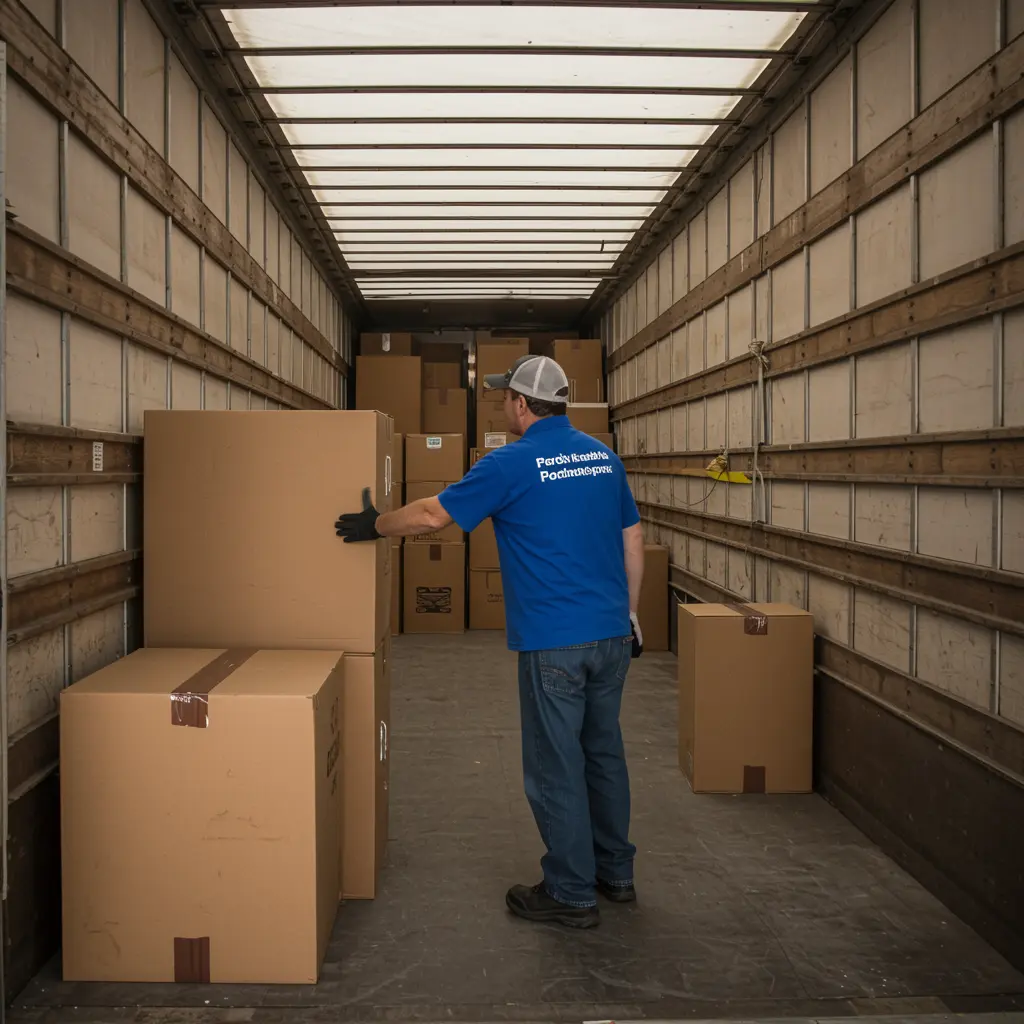
If you have ever watched professional movers work inside a truck, you know it looks more like construction than simple loading. Boxes stack into perfect columns, furniture locks together like puzzle pieces, and everything seems to fit with only inches to spare. This is not luck. It is a repeatable system that combines high-tier packing strategies for efficient moving truck loading with strict safety rules so nothing shifts, breaks, or crushes other items during transit.
Learning how to load a moving truck like professional movers is less about brute strength and more about planning, sequencing, and physics. When you understand wall building, weight distribution, and how to secure each section of the load, you can dramatically reduce damage, make driving safer, and often fit your entire home into a smaller truck size than you expected.
This guide pulls back the curtain on what really happens inside the truck. You will see how pros think about weight, balance, and layering, and how they use simple tools like straps, pads, and boxes to turn a pile of household goods into a tight, safe, and efficient load. Whether you are doing a full DIY move or just want to supervise more effectively while working with a crew like Olympia Moving, these moving truck loading tips for safe weight distribution will help you move like a pro in 2026.
How Professionals Think About the Inside of a Moving Truck
Before the first box goes on the ramp, professional movers pause and plan. They do not simply carry whatever is closest and set it wherever it fits. Instead, they visualize the truck interior as a series of zones that must be filled in a deliberate order.
When pros talk about professional moving techniques for packing and loading, they usually start with three core concepts:
- Weight distribution for moving – keeping the heaviest items low and centered over the truck axles so the vehicle drives safely and brakes predictably.
- Wall building – stacking items into tight, vertical “walls” that act like a solid structure rather than a loose pile.
- Securing a moving load – using straps, bands, and friction to lock each wall in place so it cannot shift when the truck turns, accelerates, or stops suddenly.
These three ideas guide every loading decision. If you understand them, even a small team of friends can load more safely and efficiently.
Step-by-Step: How to Load a Moving Truck Like Professional Movers
The following process lays out how to load a moving truck like professional movers, from the first dolly load to the final fragile box. Adjust for your truck size, but keep the sequence the same.
1. Prepare the Truck Interior
Professionals do not start carrying items until the truck is prepped for loading.
- Inspect the floor and walls. Sweep out debris, check for nails or splinters, and make sure the floor is completely dry.
- Stage pads and straps. Lay moving pads along the side walls where furniture will touch. Bring several ratchet straps or load bars to the front of the truck so you can secure each wall as you build it.
- Plan your zones. Visualize the front of the truck (closest to the cab) as the heavy, stable zone, the center as mixed weight, and the rear third as light and fragile.
This simple preparation step is why pros can work quickly without stopping to hunt for supplies or move items that were dropped in the wrong spot.
2. Start with the Heaviest, Most Stable Items
Good moving truck loading tips for safe weight distribution always start the same way: heavy items first, at the front, and as low as possible. This anchors the load and keeps the truck stable on the road.
- Load appliances (refrigerators, washers, dryers) against the front wall of the truck.
- Stand tall, heavy furniture—like dressers, armoires, and bookcases—vertically, tight against the front wall.
- Place the heaviest boxes on the floor in front of or beside these pieces to fill in gaps and create a flat base.
Use moving pads between finished wood surfaces so pieces do not rub or dent each other. At this stage, you are building the first half-wall of your load.
3. Build Tight Walls, Not Random Piles
The signature difference between amateur loading and professional loading is securing a moving load with wall-building strategies. A “wall” is essentially a stacked section of the truck where boxes and furniture are fitted together tightly from floor to ceiling and from one side wall to the other.
To build a solid wall:
- Use boxes as building blocks. Create columns of same-size boxes to form a flat, sturdy surface. Avoid mixing many sizes randomly in the same column.
- Lock furniture into the wall. Slide flat items like headboards, tabletops, and mirrors along the side walls, pad them, and then use box stacks to pin them in place.
- Fill voids with soft items. Cushions, pillows, and bagged linens can be stuffed into small gaps to prevent side-to-side movement.
Once a wall reaches near the ceiling, pros add a final layer of light boxes or soft goods on top and then secure it with straps across the face of the wall.
4. Manage Weight Distribution Across the Truck
Proper weight distribution for moving is not just front to back; it is also side to side. You never want one side of the truck significantly heavier than the other.
As you build each wall, pause and consider:
- Is most of the heavy furniture centered over the truck’s wheel wells?
- Are you alternating heavy items left and right to avoid a lopsided load?
- Are heavy items always on the floor with lighter items above them?
If one side starts to look significantly heavier, shift the next big piece or box stack to the opposite side or to the center. This is one of the most important moving truck loading tips for safe weight distribution, because it makes the truck easier to control, especially on highways and during emergency stops.
5. Use High-Tier Packing Strategies as You Stack
When professionals talk about high-tier packing strategies for efficient moving truck loading, they are usually referring to how they use vertical space. The top of the truck is valuable real estate, but it must be used intelligently.
Some high-tier strategies include:
- Creating flat platforms. Build flat, sturdy surfaces using same-sized, well-packed boxes before stacking higher tiers.
- Protecting fragile tiers. Use a layer of pads or soft items between heavy middle tiers and the light, fragile boxes that ride at the top.
- Layering soft goods. Place light bags of clothing, bedding, and cushions in the very top tier and in voids near the ceiling, where impact forces are lower.
Done correctly, these high tiers allow you to fill almost every cubic foot of the truck without crushing anything.
6. Secure Every Section as You Go
One of the most frequent DIY mistakes is waiting until the truck is completely full before using straps or load bars. Professionals secure each wall as soon as it is built.
- Run straps horizontally. Attach ratchet straps to the built-in anchor points on the truck walls and run them across the face of the wall about halfway up and near the top.
- Tighten to remove slack. Straps should be firm but not so tight that they crush boxes or indent furniture.
- Test for movement. Gently push and pull on the wall. If items shift, add more padding, fill gaps, or use an additional strap.
This habit of securing a moving load with wall-building strategies dramatically reduces breakage. In a hard stop, a properly strapped wall acts like a single unit rather than dozens of individual objects slamming forward.
Room-by-Room Professional Loading Techniques
While every move is unique, there are repeatable professional moving techniques for packing and loading that pros use with common household items.
Living Room and Entertainment Items
Sofas, TVs, and media furniture are awkward but can be very secure if used correctly in wall building.
- Sofas: Load them on end when possible, especially in smaller trucks, and pad all corners. Use sofa backs as a flat surface to support a column of boxes.
- TVs: Always box TVs in dedicated TV boxes. Transport them vertically, near the center of the truck, and never with heavy items stacked on top.
- Bookshelves and cabinets: Remove shelves, wrap glass, and load tall pieces against the side walls, locked in by box stacks.
Bedroom Furniture and Mattresses
Bedroom items often form the structural backbone of your load.
- Mattresses: Use mattress bags or covers. Stand mattresses and box springs on edge along the side walls near the end of a wall. Strap them in place or use box stacks to lock them.
- Dressers: Keep drawers in place if they are light and taped shut. Dresser faces should be padded to avoid rub marks.
- Wardrobe boxes: Place these toward the rear middle of the truck. They are tall but not overly heavy, making them perfect for filling vertical spaces without adding dangerous weight.
Kitchen and Fragile Boxes
Kitchen items are usually the heaviest boxes, but also the most fragile.
- Heaviest on the bottom: Place dish packs and cookware boxes at floor level under stronger furniture pieces or box stacks.
- Marked and grouped: Keep fragile kitchen boxes grouped together in the same tier so you remember to treat that tier carefully.
- No loose fragile items: Everything must be boxed; loose glass or ceramics never ride directly on the truck floor or shelves.
Garage, Tools, and Odd-Shaped Items
These pieces often complete the load and fill remaining spaces.
- Tools: Box small tools and hardware. Heavy tool chests can ride low, near the front or center, and should be strapped separately if especially heavy.
- Outdoor equipment: Empty fuel from mowers and trimmers. Use these lighter but bulky items to fill gaps between larger furniture pieces.
- Bikes: Strap bikes to side walls and protect them with pads or blankets to keep gears and pedals from scratching other items.
Common Mistakes to Avoid When Loading a Truck
Even if you follow many good techniques, a few classic mistakes can undo your effort. Professional movers keep an eye out for these problems.
- Leaving big air pockets: Large gaps invite movement. Every void should be filled with boxes or soft items.
- Overloading the rear: Too much weight near the back of the truck makes it hard to control and can cause dangerous sway.
- Stacking heavy on light: Heavy boxes on top of lighter ones crush contents and destabilize the entire wall.
- Ignoring tie-down points: Failing to strap walls effectively means all your careful stacking can collapse in a single hard stop.
A quick walkthrough of the truck before closing the door—checking for gaps, loose items, and properly tightened straps—can prevent most of these issues.
When to Call in Professional Movers
Knowing how to load a moving truck like professional movers is powerful, but there are times when bringing in experts like Olympia Moving is the safest and most efficient choice.
- You have many large, high-value pieces such as pianos, artwork, or custom furniture.
- You are moving a long distance and will be driving through mountains, busy cities, or in uncertain weather.
- You do not have enough helpers to move quickly while still loading thoughtfully and safely.
Professional crews bring not just strength but systematic professional moving techniques for packing and loading, along with the equipment and materials needed to protect your belongings.
Conclusion
Loading a moving truck like a professional is not mysterious once you understand how pros think about structure, balance, and security. The key is treating the inside of the truck like a three-dimensional puzzle: heavy items anchored low and toward the front, balanced side to side; tight walls built from boxes and furniture; and every section strapped and padded so nothing can shift.
By applying these moving truck loading tips for safe weight distribution and focusing on securing a moving load with wall-building strategies, you can protect your belongings, make the drive safer, and often fit more into your rental truck than you thought possible. If you ever feel overwhelmed, partnering with a professional crew such as Olympia Moving ensures those same high-tier packing strategies are applied for you. Either way, understanding what happens inside the moving truck puts you in control of a safer, more efficient move in 2026.