Packing a Kitchen Like a Pro: Techniques Movers Actually Use
During a move, the kitchen is the room most people save for last, which is ironic because it’s the one that actually needs the most attention. Fragile dishes, oddly shaped appliances, half-full pantry shelves, a junk drawer that hasn’t been opened with intent in years, and sentimental serving pieces that all require different handling.
However, professional movers pack the kitchen first for a reason. They follow a clear sequence with specific materials and techniques that anyone can replicate at home. The difference between a kitchen that survives the move and one that doesn’t is almost always technique.
| In This Article: The actual sequence, materials, and methods professional movers use to pack a kitchen, from the first cabinet to the last coffee mug, plus when it makes sense to hand the room to a crew instead. |
The Materials Movers Actually Use
 The packing starts long before the first dish gets wrapped. The right materials are what separate a kitchen that arrives intact from one that arrives in pieces.
Professional crews typically use dish-pack boxes with reinforced walls for fragile items, packing paper for cushioning, cell dividers for glassware, heavy-duty packing tape, and permanent markers for detailed labeling. Packing paper gets the job over newspaper because it cushions without leaving ink on your grandmother’s china.
Old grocery store boxes or worn boxes from previous moves are the most common cause of kitchen damage. Their structural integrity is already compromised, which means they can buckle under heavy plates or collapse during a carry. Fresh moving boxes designed for household weight provide better support through loading, transit, and unloading.
The Order a Pro Packs a Kitchen In
Professional crews follow a specific sequence, and it’s built around keeping the kitchen functional as long as possible.
Start with the pieces you don’t use during a normal week. Holiday dishes, serving platters, specialty bakeware, decorative pieces, and the appliances that live in the back of the cabinet can all be packed early without disrupting daily meals.
Daily-use items stay out until closer to the move. A few basic pans, a set of dishes, everyday utensils, and your regular prep tools should remain accessible.
The last things packed are the coffee maker, a couple of plates, basic utensils, cleaning supplies, and whatever you need to function on the morning of the move. Following a logical packing timeline eliminates the 6 a.m. scramble to find where the mugs went.
Technique for Fragile Items
Even sturdy dishes and cookware can crack when they slide or knock against each other inside a box. Filling gaps is the single most important habit in kitchen packing.
Plates should be wrapped individually with packing paper and then packed vertically on their edges, not stacked flat. Standing plates upright distributes pressure more evenly and reduces the chance of cracks during transport.
Glasses should each be wrapped individually before being placed upright inside cell dividers. Stemware benefits from extra paper tucked inside the bowl before wrapping, which provides structural support so the stem doesn’t snap in transit.
Heavy serving dishes belong near the bottom of a dish-pack box, with lighter glassware toward the top. Fill every remaining gap with crumpled packing paper. Before sealing, give the box a gentle shake. If anything rattles, add more paper. A silent box is a safe box.
Handling the Hard Stuff Most Homeowners Get Wrong
Certain kitchen items cause more damage claims than others, and most of the time it’s because they were packed with good intentions and bad technique.
Cookware can be stacked by size, but each pot or pan needs packing paper layered between pieces so metal, coatings, and handles don’t grind together. Glass lids should travel separately, wrapped and placed on edge.
Knife blocks can usually stay intact after securing them with stretch wrap. Loose knives should be wrapped individually and bundled together. Do not put unwrapped loose knives in a box with other items. The movers who unpack that box will thank you.
Small appliances travel best in their original boxes when available. If those are gone, wrap the appliance and its cord separately, then place everything into a snug-fitting carton with padding on all sides. Heavy mixers always go in smaller boxes because of their weight.
For the pantry, unopened canned goods, sealed dry goods, and unopened spices generally travel fine. Open containers, expired food, and partially used cooking oils are better donated or discarded before moving day. Any liquids that make the trip should be packed upright inside a leak-resistant liner.
And the junk drawer? One box, sealed, labeled “junk drawer,” done. Don’t sort it now. That’s a problem for future you in the new kitchen.
Labeling, Weight, and Box Loading Rules Pros Live By
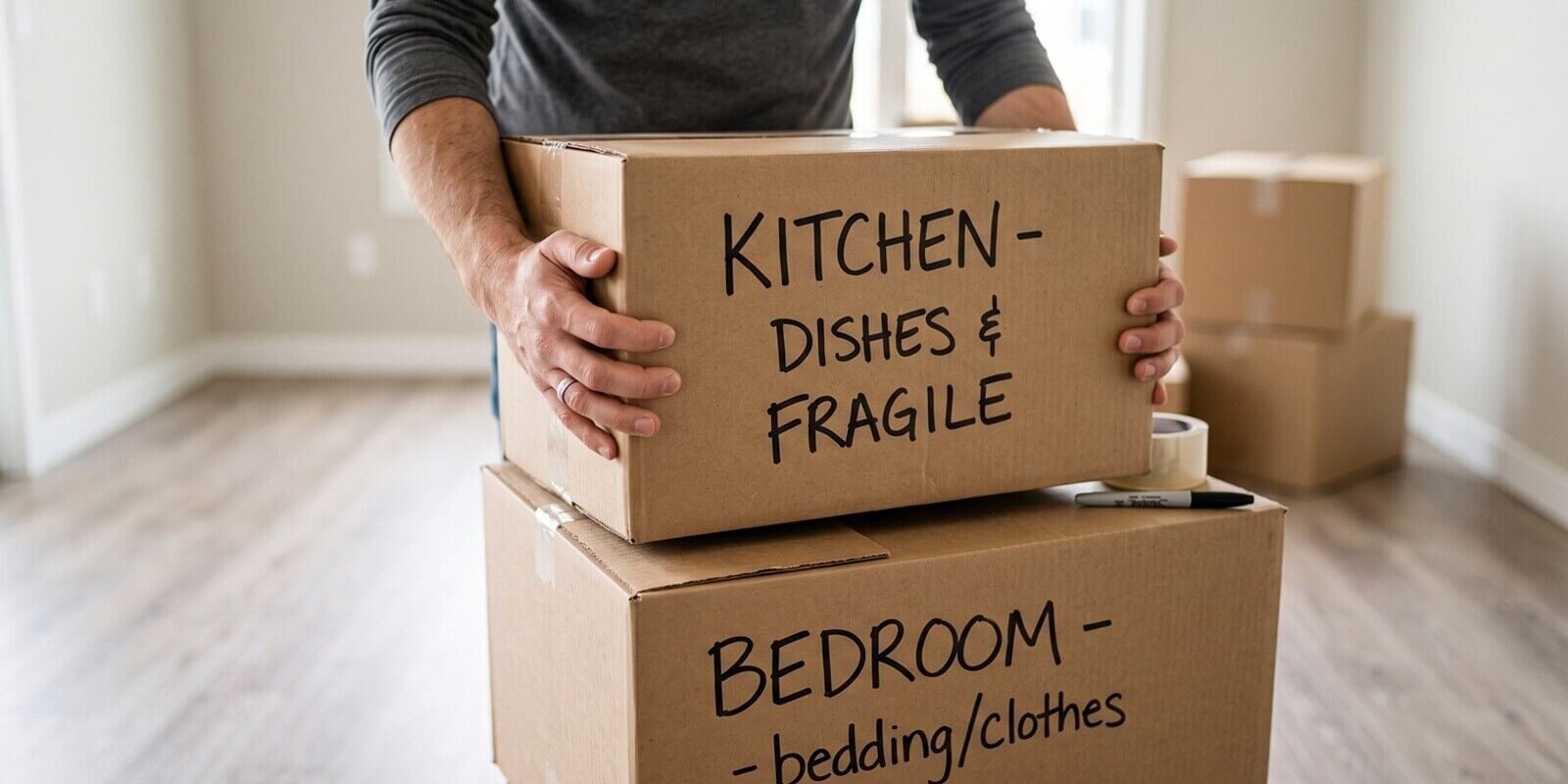
Writing “Kitchen” on a box tells the crew where it goes. It tells you nothing about what’s inside when you’re standing in the new kitchen trying to find the colander.
Professional movers label the room, list the contents, mark fragile boxes, and indicate which side should stay upright. That extra 30 seconds per box saves significant time on unpacking day.
Weight matters just as much. Most movers recommend keeping boxes under 50 pounds. Dense items, including canned goods, cast iron cookware, and mixing bowls, belong in smaller cartons. Lighter items such as plastic containers or linens can fill larger boxes.
Before sealing any box, lift one corner slightly. If the weight feels awkward or the bottom flexes, redistribute the contents. A box that fails the corner test on your kitchen floor will fail it again on the truck ramp.
When to Stop Packing and Call a Pro
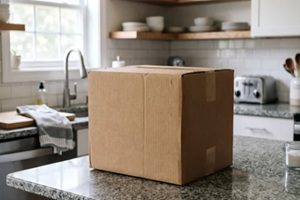 Some kitchen items are worth handing to a professional packer regardless of how confident you are with the rest of the house.
Crystal collections, fine china, expensive espresso machines, stand mixers, antique serving pieces, and anything that came in a custom case all justify experienced hands. Professional crews already have the materials, the technique, and the insurance coverage to handle these items properly.
Partial packing services are more common than most people realize. Having professionals pack only the kitchen lets you handle bedrooms, closets, and lower-risk areas yourself while the room with the highest concentration of fragile items gets expert attention. It’s often a smaller add-on than homeowners expect.
Pack Your Kitchen With Confidence
A well-packed kitchen comes down to the right materials, a logical sequence, careful handling of fragile pieces, clear labeling, and honest decisions about which items deserve professional care. The technique is learnable, the patience is the hard part.
Olympia Moving offers kitchen-only packing, partial packing, and full-service options for residential moves through Move360 and commercial relocations through Scope360. If you’d rather hand the kitchen to a crew that does this every day, ask about packing services during your estimate. It’s one of the most common add-ons we see, and for good reason.